
Is Social Media Worth Your Time?
There are voices we need to amplify, words we need to say.

In today’s world, it can be an act of courage to click “like.” It’s a quiet but effective way to “share” hope and truth and reason.
May 25, 2020.
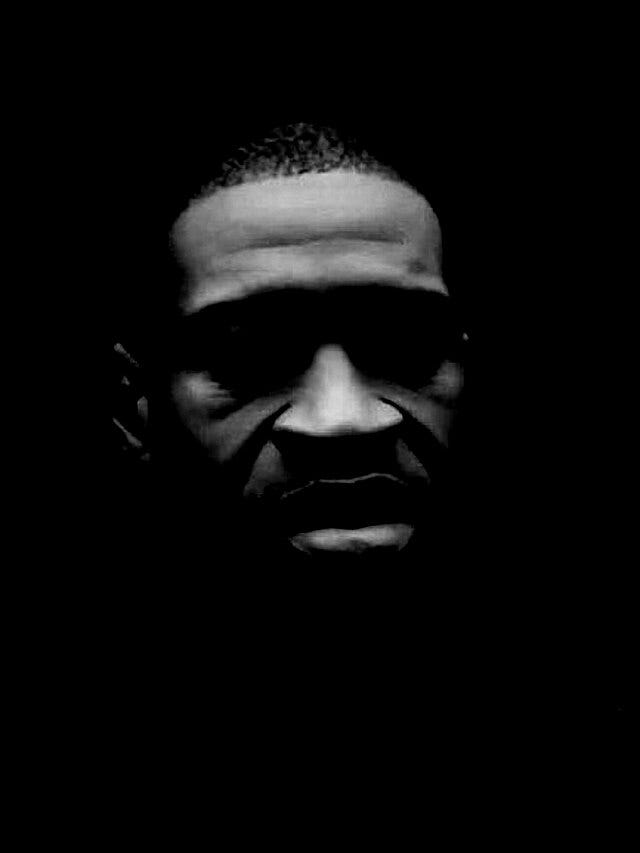
Man dies after medical incident during police interaction.
So read the press release from the Minneapolis Police Department. Just a routine, regrettable incident. Newspapers, local TV, and radio ignored it, no one covered the story, and it sank without a trace.
Until the next morning when a seventeen-year-old named Darnella Frazier posted a video on Facebook and Instagram. Suddenly the whole country—the whole world—knew the name George Floyd.
Social media reaches people. And it reaches them—a lot of them—fast.
Remember the Women’s March? Maybe you were there. Those unbelievable crowds—5 million worldwide—grew from a single Facebook post. Teresa Shook, a grandmother and retired attorney living in Hawaii, was the first one to post the idea of a protest on social media. On the day after Election Day, 2016, out of despair and desperation, she typed five words onto a Facebook post: “I think we should march.”
Two or three friends “liked” the idea, so she figured out how to create an event page, and soon forty of her Facebook friends had RSVP’d that they would join her in Washington on the day after the Inauguration. Then she went to bed. When she woke up the next morning, ten thousand people had responded. And that was just the beginning.
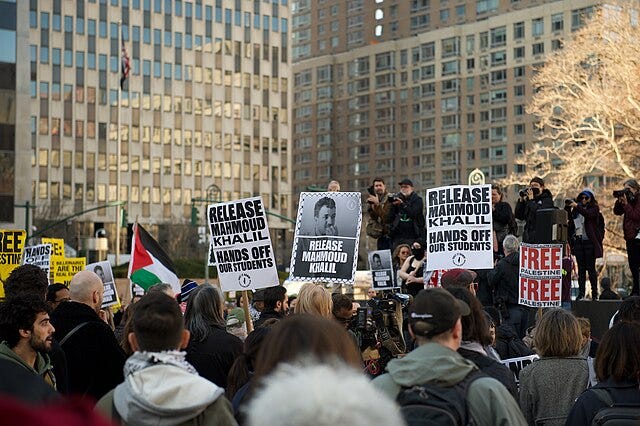
Never underestimate the power of social media, for evil, yes—but also for good. When ICE agents arrested Palestinian activist Mahmoud Khalil and tried to quietly make him disappear, it was all over Facebook, Instagram, TikTok, the news spreading within hours, minutes. It’s people talking directly to each other, skipping the censorship that’s strangling mainstream media.
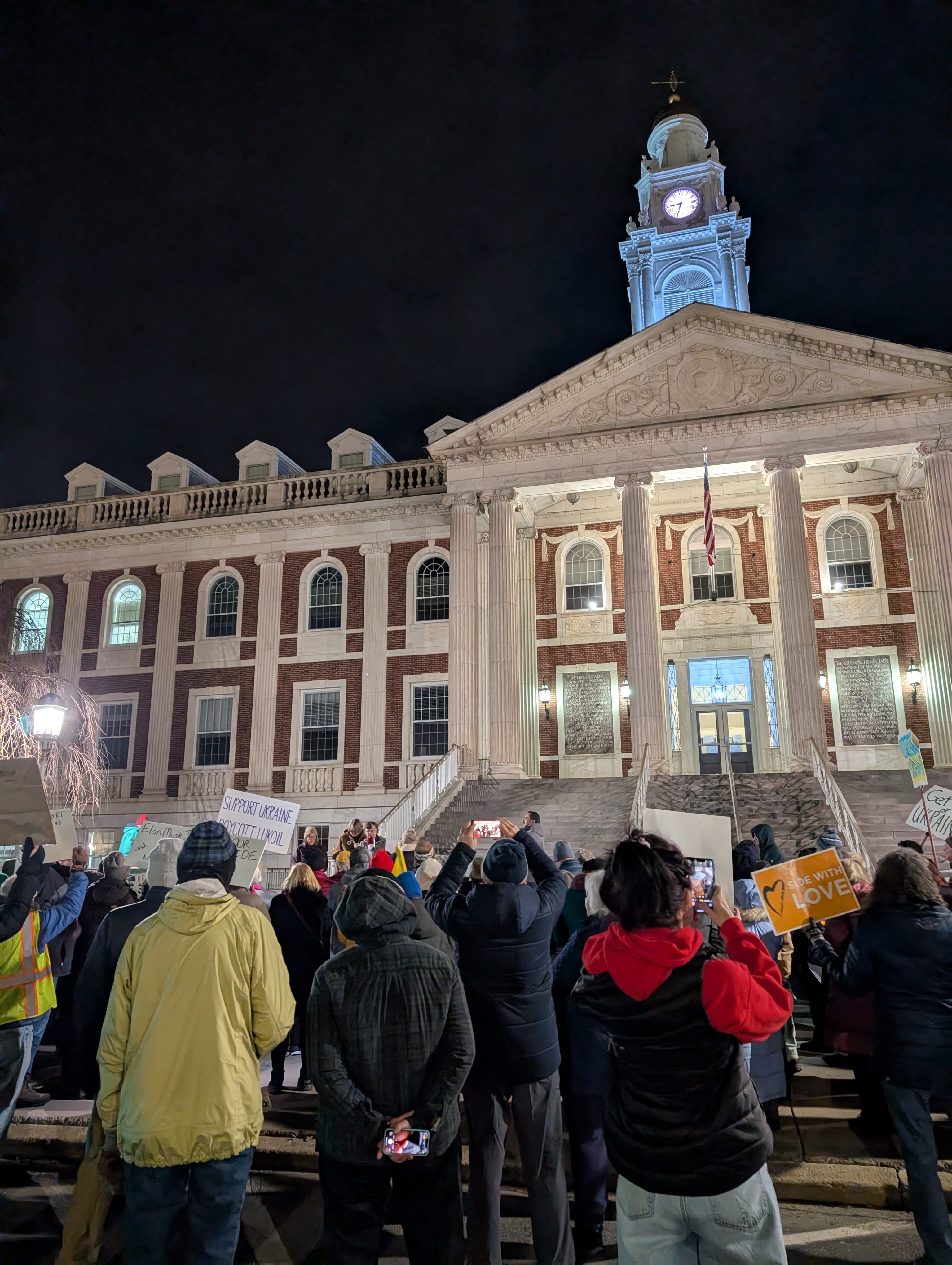
And the furious protests that spring up immediately afterwards were fueled by social media, too. Every single protest or rally I’ve gone to, from the 2017 Women’s March to a quiet vigil for democracy on the steps of Schenectady City Hall, I’ve found out about on Facebook. (How bitter, how ironic, as we protest billionaires’ evil and cruelty, that we’re using a billionaire’s brainchild to do it.)
So if you aren’t already there, consider getting on social media. If you’re there already, can you up your game? Don’t just lurk—like! Comment. Share. And then get louder. Do your own posts, join the conversation. (Need cool photos? Check out Wikimedia Commons, anything you want, all copyright free.)
Maybe look beyond Facebook? Check out the powerful images on Instagram, or the kookiness of TikTok videos—they may be kooky but they reach millions. Give Bluesky a try. Do a video, a reel, even (gasp) a TikTok.
One of our most crucial roles is to amplify the vital stories. Like and share posts by resistance groups like Alt National Park Service, who have a front row seat to what’s happening in closed-off Federal buildings, scary things that aren’t being reported in mainstream media, news that needs to get out there.
Yes, sometimes it’s tempting to say, ah, it’s all a load of nonsense and skip social media altogether. Social media can connect fearmongering Nazis very effectively—but it can also connect reasonable people. I discovered the Environmental Voter Project on Facebook—they specialize in contacting people who are nature lovers but tend not to vote. I discovered Activate America’s amazing letter-writing campaign to swing states on Instagram.
As more and more of mainstream media grovels to the White House, we need to amplify those voices that are speaking the truth—and where can they speak it but on the Internet? There may come a day when social media is the only way we can find out what’s going on. We need to speak up and talk to each other, using the power of this incredible tool.
By the way, Indivisible is planning a nationwide protest on April 5. I heard it on the Internet. Hope to see you there.
Dear Friends,
Are you terrified about the state of the world and wondering what to do about it? I hope you’ll continue to check out The Optimistic Activist.
Every now and then I post some ideas for doing something. How to get out the vote, spread the word, and support progressive candidates. Ideas for simple but effective activism. As easy, as practical, as do-able as I can make them.
Together, I think, we can really make a difference.
“Optimism is a strategy for making a better future.”
--Noam Chomsky
Re: social media - yes, all true. I find a lot on the FB pages I follow. BUT, we need to continue to hold the "mainstream" media accountable. I admit to being an old lady who can't quite absorb all of the floods of social media that come at me everyday. It's very stressful and feeds our need for immediacy. No doubt those courageous young people filming everything has brought incidents to the public's attention. We should not lose sight, however, of "real" journalists who can synthesize information in context after researching a subject. People need to read critically as well getting immediate, actionable updates.
Safe place for variety of ideas, right?
How do we find out how many 1000s of postcards regarding the current government's actions have reached the WH?