The Women's March
Not Sure What to Write on the Signs Yet.

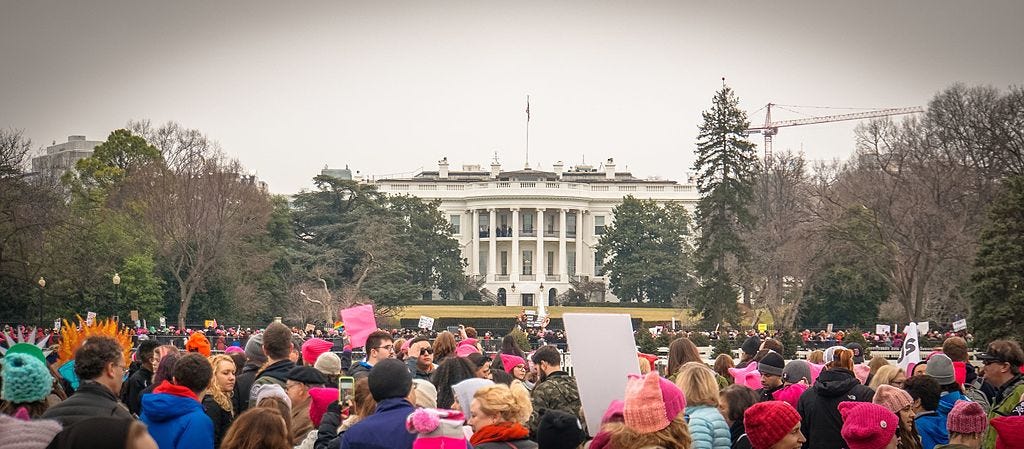
Washington, DC, January 21, 2017
The young woman standing on the edge of the stone fountain lifted the heavy bullhorn to her mouth. Her voice was hoarse and ragged as her amplified words boomed out over the crowd that stretched as far as she could see. “Tell me what democracy looks like!”
The answer roared back from tens of thousands of voices. “THIS is what democracy looks like!”
The crowd filled Washington’s broad avenues. It was a solid river of humanity, people jammed in the cross-streets so tightly they could hardly move. There were women, men, children. People in wheelchairs, infants in strollers, grandmothers with walkers. Babies peered out of backpacks. Fathers stood with daughters, mothers had brought their sons.
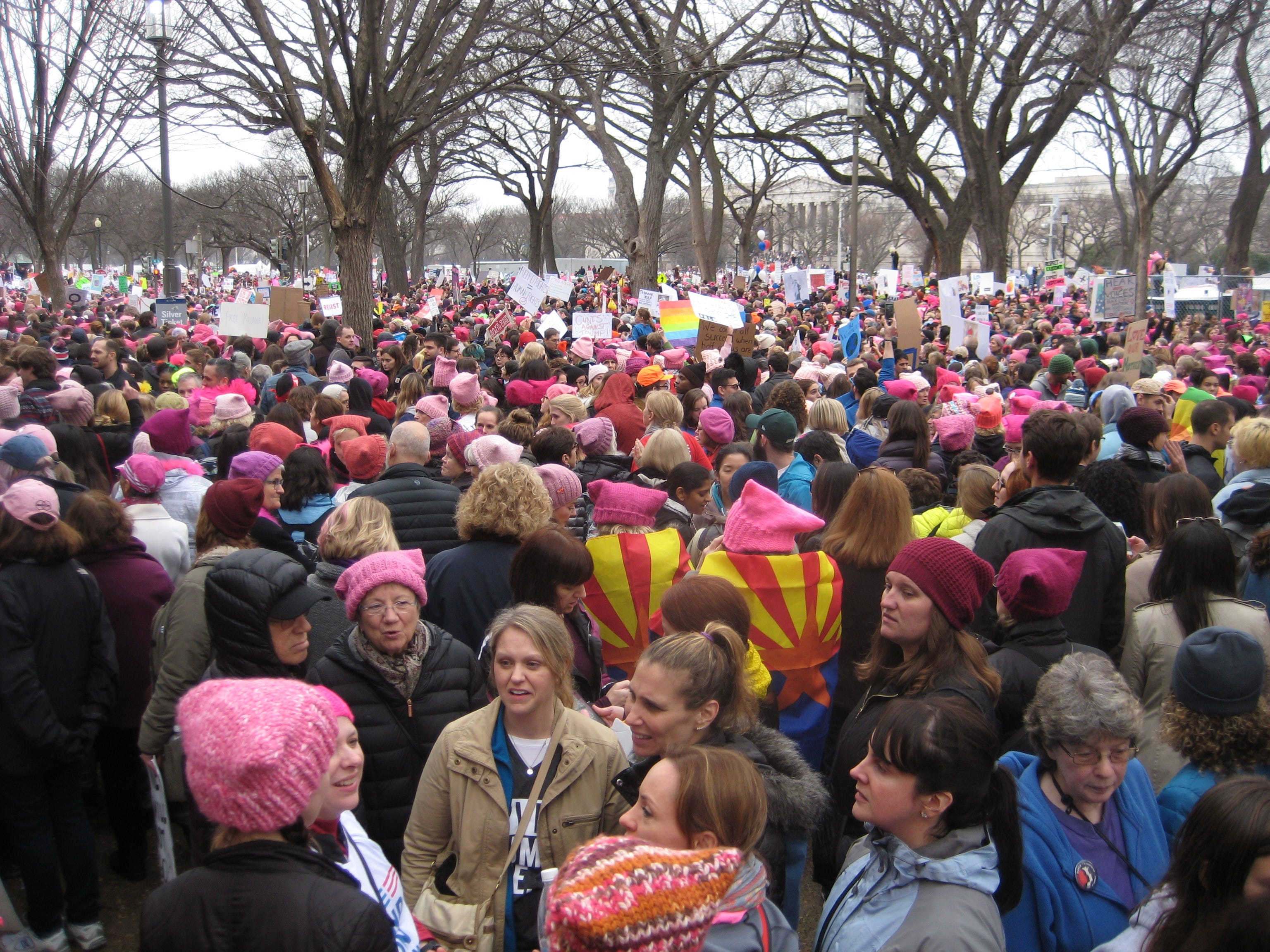
But no one was marching anywhere. People were packed elbow to elbow. Tiny figures gesticulated on a stage far in the distance, but few could catch a word of the speeches. Even the Jumbotron screens were just specks. Helicopters buzzed overhead.
People checked phones for news, or texted family members lost in the crowd, but overloaded cell reception was almost nonexistent. Rumors began to flit through the impatient, chilly crowd. The March is cancelled. Too many people. Not safe. Maybe we should go home. Some people laughed in disbelief, others started to cry. No one knew what was happening. “You can’t cancel history!” exclaimed a woman wearing a pink hat on her gray hair. “I’ve travelled three days to get here. We can’t stop now.”
Suddenly a ripple of excitement ran through the crowd. There was a little more room to breathe, to take a step. People were moving! Like a glacier flowing downhill, the crowd started to inch along. One step, then another.
The pace increased. Thousands poured out of side streets, overflowing the National Mall, covering the great lawns between the Capitol and the Washington Monument. Few had any idea of how to follow the original planned route, but people began surging in the direction of the White House. Soon a jubilant flood of protest signs and pink hats was flowing along Pennsylvania Avenue.
The Women’s March had begun.
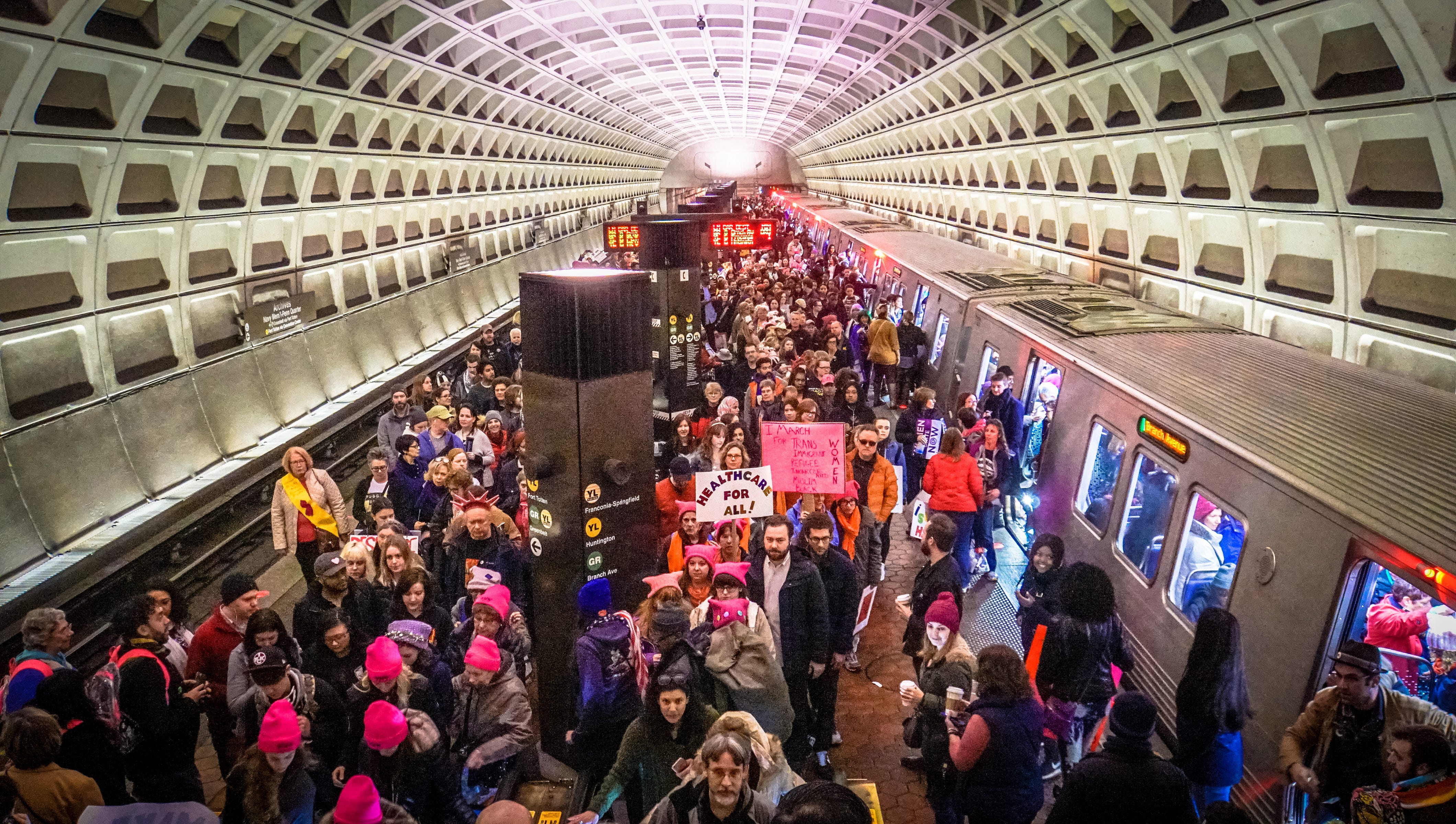
I wrote the above in 2017, fresh from the afterglow of the Women’s March. Oh, do you remember it? What a thrilling day it was. And now—here we are. Was it all for naught?
After the crowds packed back into the buses and the Metro, and we all went home and the thrill died away, what remained? Eight years later, is there anything left of that glorious day that we can still hold onto?
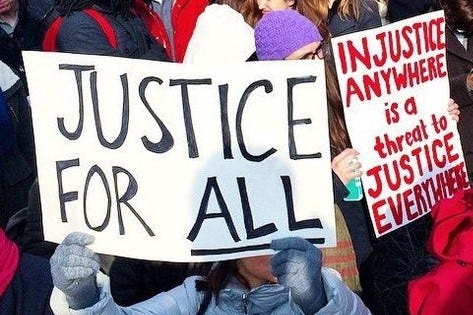
Well, there was one result of the March that’s still going on today. The March inspired some folks to run for something. Record numbers of people—especially young people, and especially women—stepped up, and became candidates for office. They ran for Congress, for state legislatures. They also ran for school board, and county clerk, and family court judge.
There’s an organization called Run For Something that helps and encourages anyone thinking of dipping a toe into the frightening waters of politics. An example: a 23-year-old named Bryce Berry. He was just elected to Georgia’s House of Representatives. “He’ll take office in January, but he’s already familiar with the challenge of meeting the unique needs of individuals within his purview. Berry is a 7th grade math teacher at a public school in southwest Atlanta.”
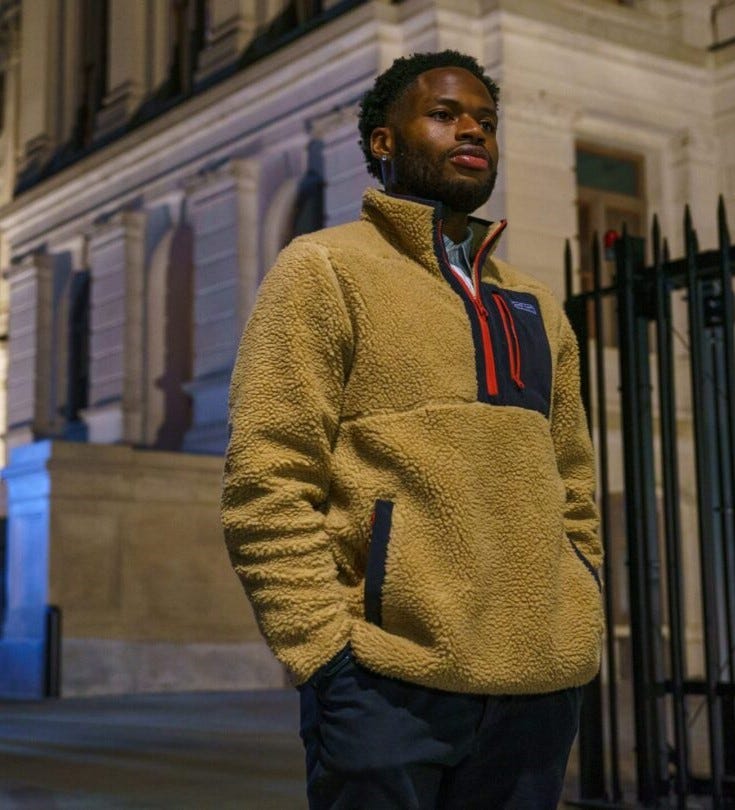
It’s easy to get cynical and defeatist, to look back with a sneer at all of us idealists triumphantly marching down Pennsylvania Avenue chanting “This is what democracy looks like!” But the March was worthwhile. It did change things.
I struggle a bit these days with the idea of optimism. I returned from the Women’s March brimming with it. And we won in 2018, and I was optimistic about 2020, and joy oh joy we won, and we did really well in elections in 2022 and 2023…and I was still optimistic…and then BAM. Pessimism is a tempting refuge nowadays.
But pessimism is a long slow march to nowhere. I’ll quote my favorite substacker, Jay Kuo: “Do not mistake resolve to defend our Republic with facts, reason and the rule of law, even if we sometimes suffer defeat, for toxic positivity. Defeatism is easy and frankly unhelpful. Hope is hard work.”
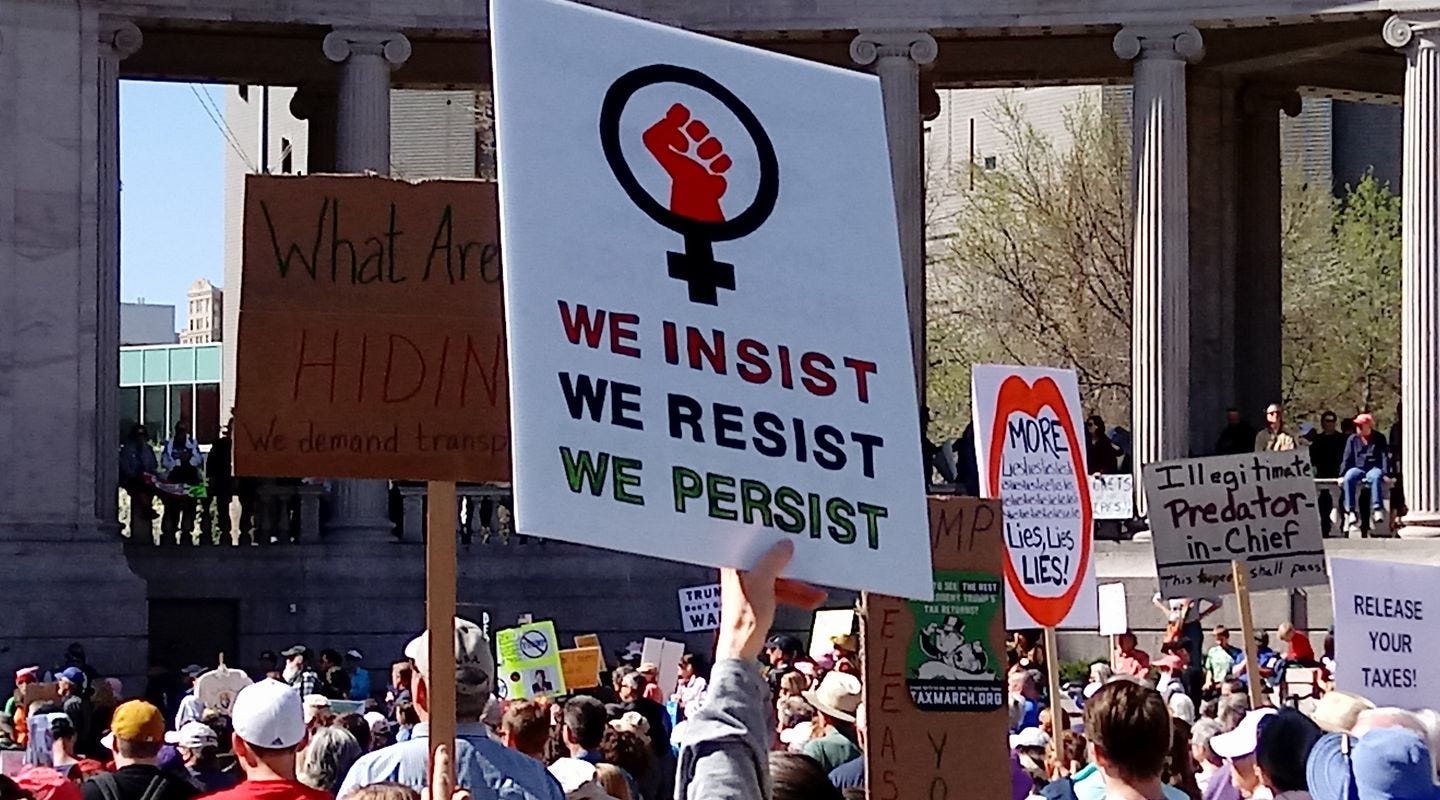
Hope is hard work. Yes it is. Organizing the March was hard work. So was getting there, my gosh, the traffic, and the crowds, and the utter lack of port-a-potties. But it was worth it. Is there another March in our future? Not right away, I don’t think. Not yet. We need an equally remarkable but different response this time. I’m not even sure what slogans we would write on our signs. Greenland for Greenlanders? Don’t Deport Our PhDs? No War With Canada? What next? Honestly, it’s going to be a long four years.
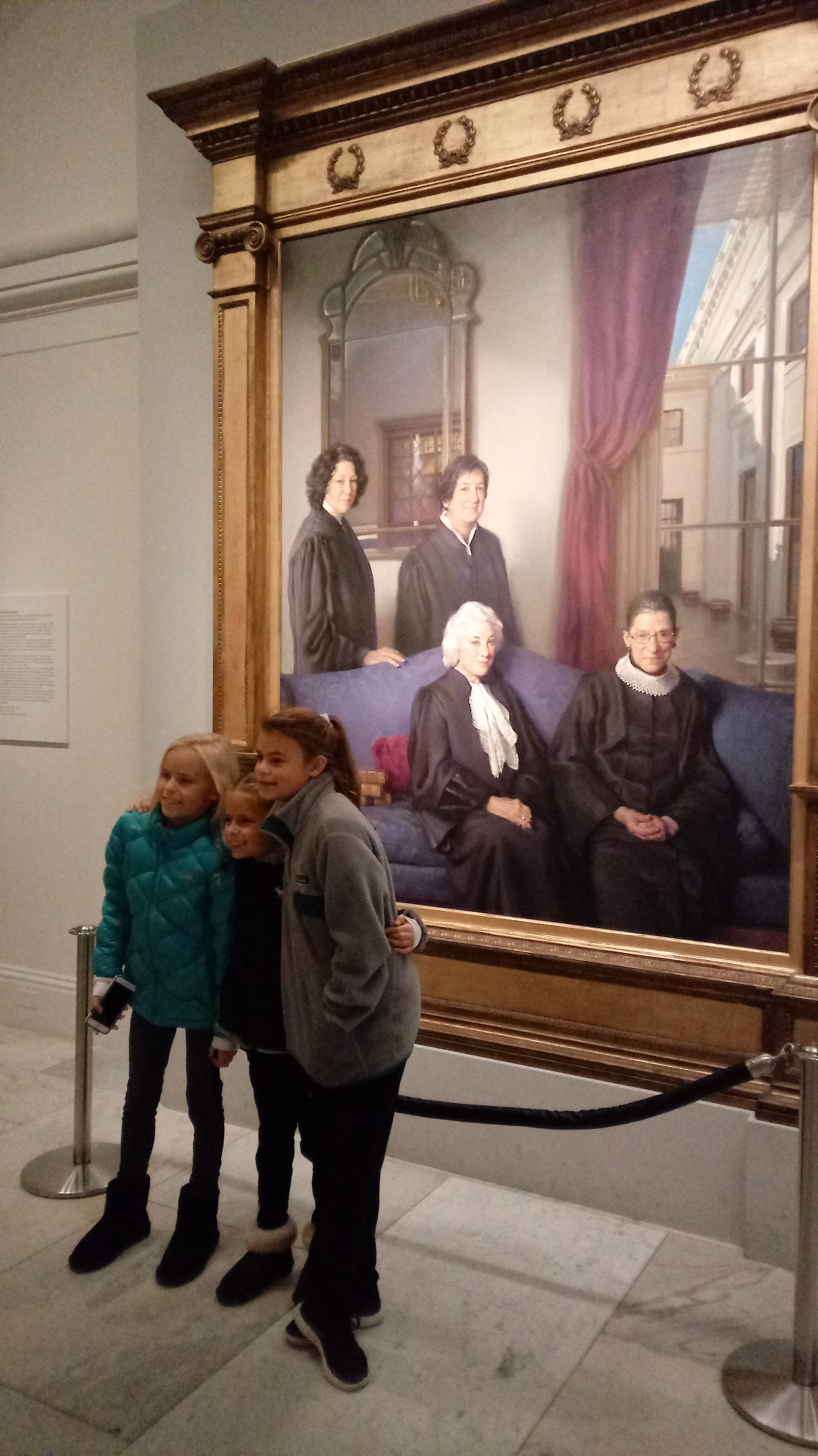
Hope is hard work. But this is my favorite photo of the Women’s March, which I took the day after, at the National Portrait Gallery. These kids are eight years older now. Old enough to Run for Something.
Dear Friends,
Are you worried about the state of the world and wondering what to do about it? I hope you’ll continue to check out The Optimistic Activist.
Every now and then I post some ideas for doing something. How to get out the vote, spread the word, and support progressive candidates. Ideas for simple but effective activism. As easy, as practical, as do-able as I can make them.
Together, I think, we can really make a difference.
“Optimism is a strategy for making a better future.”
--Noam Chomsky