
Summer Solstice
The tipping point between light and darkness

What is the summer solstice? It’s a time to celebrate warmth, and light, and life. A holiday for everyone, all welcome, no religion necessary. It’s just about the planet we all live on, spinning on its long journey around the sun.
And the solstice is also a precise moment in time. This year, the summer solstice falls on June 20, at 4:51pm EDT.
Why that exact minute? Well, that’s the moment during which you could see the sun directly over your head, if you happen to be vacationing in the Tropic of Cancer. This is an imaginary line about 23 degrees north of the equator, running through places like Egypt and Mexico. The solstice is the moment when the Northern Hemisphere is tilted towards the sun to the maximum. (Of course, for our friends in the Southern Hemisphere, the June solstice signals the onset of winter. It’s all in your point of view.)
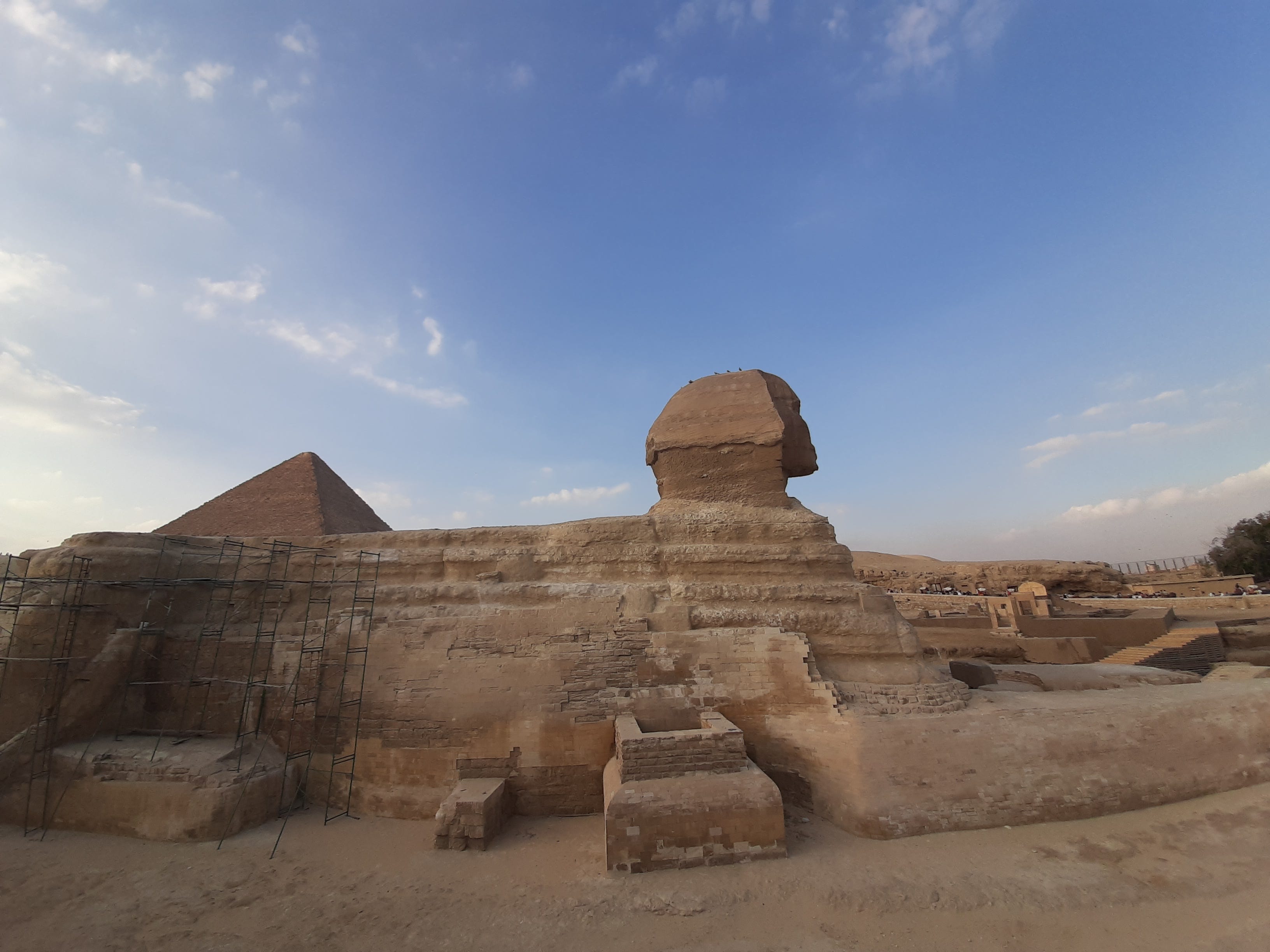
Humans have observed this phenomenon for uncountable millennia, far back into prehistory. It’s been celebrated as an occasion by cultures around the planet, ancient people who are long gone now but who left us their solstice markers: Stonehenge, Machu Picchu, Chaco Canyon, all those mysterious petroglyphs and stone circles and ancient temples built to align with the magical moment. In Egypt, the solstice sun sets over the head of the Sphinx, between the two great pyramids of Khufu and Khafre
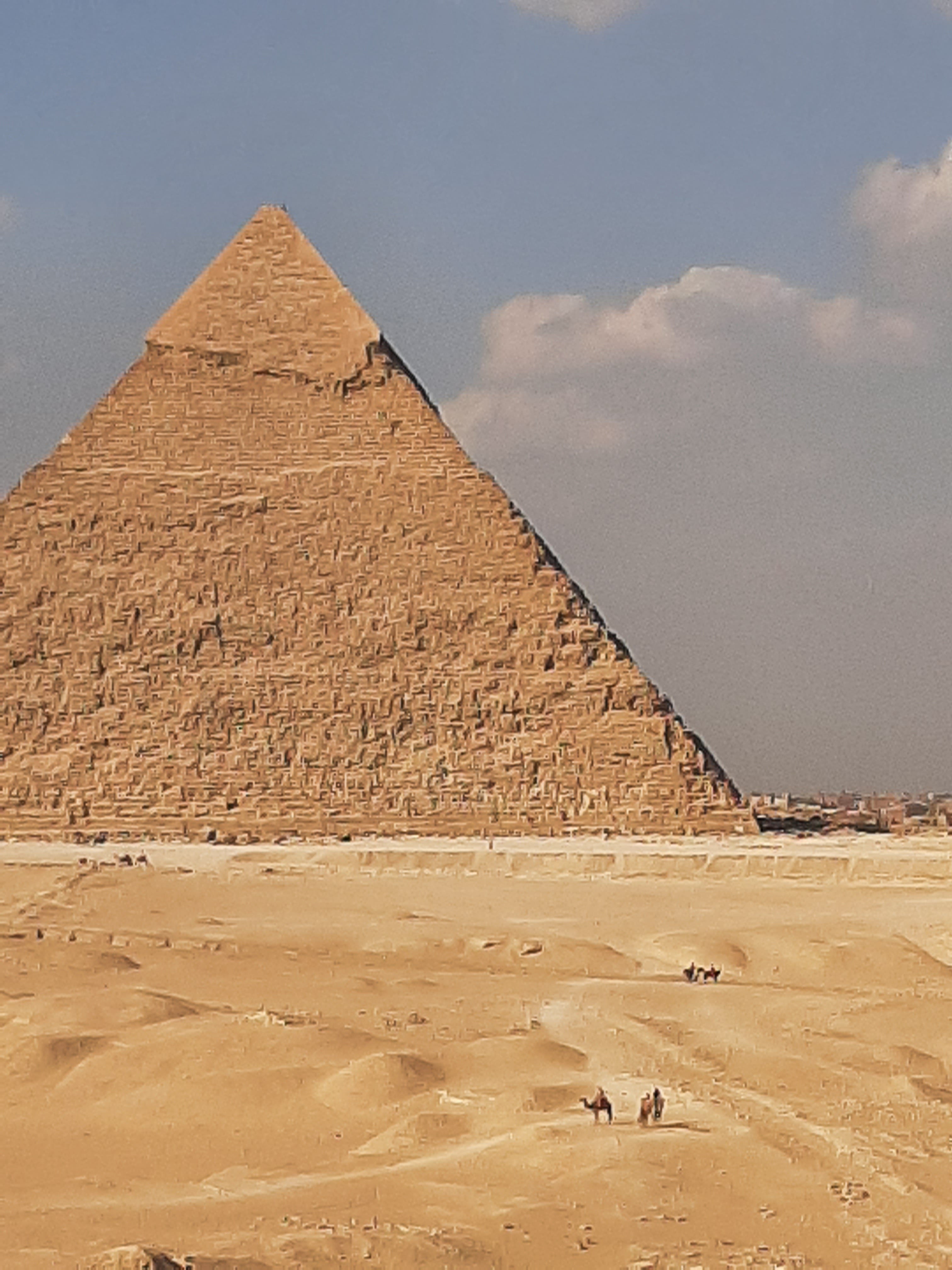
.
For us up here in the North, the solstice is the welcome opening of summer. But ironically, it’s also when the days start getting shorter. And therefore of course the nights are getting longer. Which means that early dark evenings and chill weather and fall—and, oh no, god help us all, Tuesday November 5--are inevitably rolling towards us. Soon come the debates, and the conventions, and the television ads, and all the awful hype of election season.
Midsummer’s Eve has long been seen as a magical time: a time to seek good luck charms and love potions, to cast spells, to invoke any good spirits you can summon to ward off evil. But the pixies and demons of folklore seem benign compared to the dark possibilities that are looming before us now.
The way to banish evil—to fight the darkness—is so simple. Create light. In the old days, pagans would light a bonfire on Midsummer Eve and dance around it, singing and drinking mead and having quite a lot of sex. Today we create light in less enjoyable but perhaps more effective ways. We register voters. We do a shift as poll workers. We show up for the Pride parade, and the trans kid’s graduation. We call out the great-uncle at the family picnic telling a gay joke.
So enjoy the solstice, the light, the sun, the time of gathering power. It’s a reminder to spread all the light we can. And no matter what happens in November, we’ll be looking forward to the winter solstice, when the days start getting longer and the light returns.

Dear Friends,
Are you more than a little worried about the election of 2024 and wondering what to do about it? I hope you’ll continue to check out The Optimistic Activist.
Every Tuesday I post some ideas for doing something. How to get out the vote, spread the word, and support progressive candidates. Ideas for simple but effective activism. As easy, as practical, as do-able as I can make them.
Together, I think, we could really make a difference.
“Optimism is a strategy for making a better future.”
--Noam Chomsky
Beautifully written!