
Keep Up With the News, or Avoid It?
Say, Is There Beauty Yet to Find?

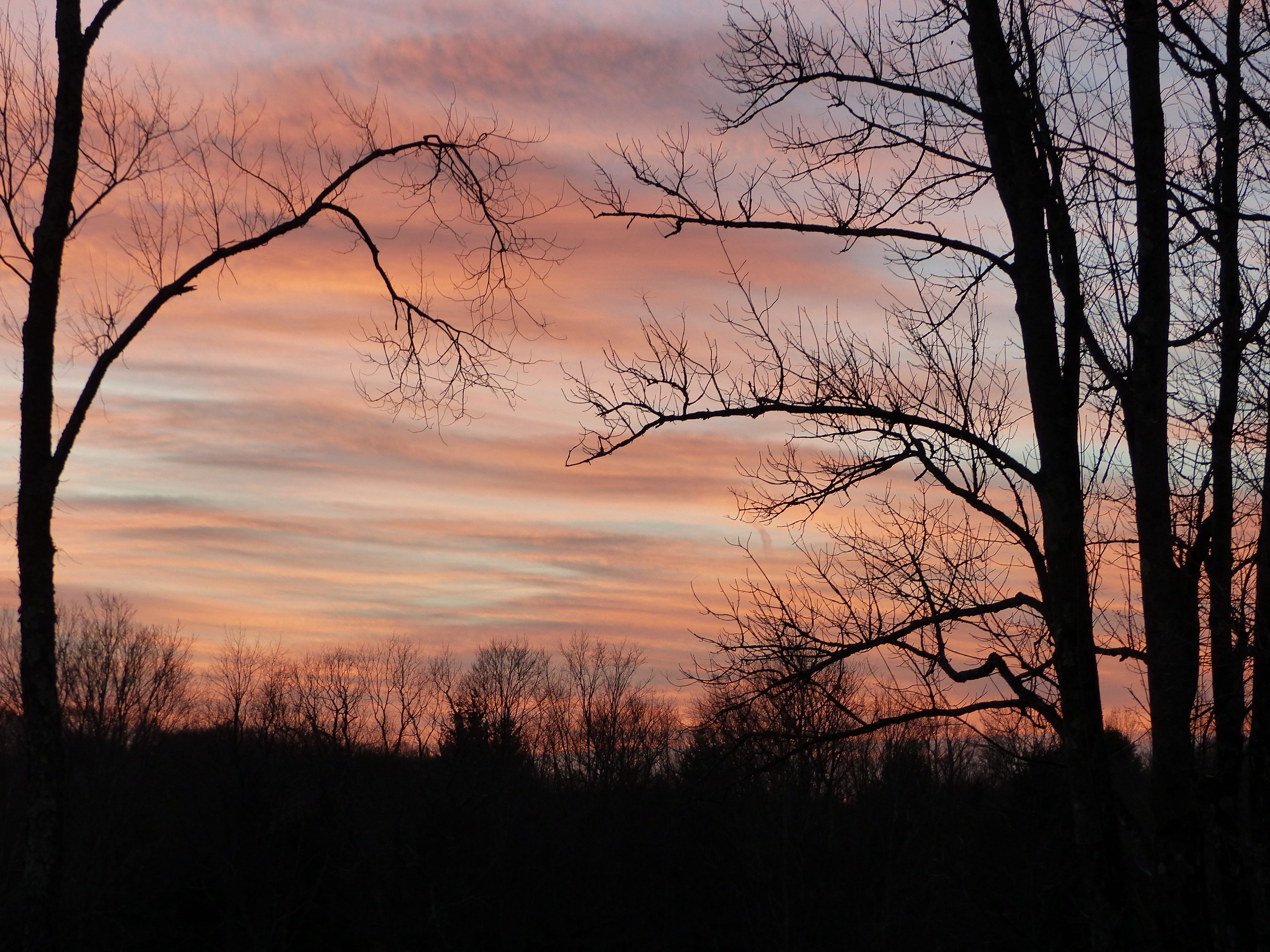
In 1912, a homesick young Englishman named Rupert Brooke was visiting Berlin. It was the turbulent time leading up to the devastation of the First World War. On a hot, noisy, dismal night in a crowded city, he was longing to get away from it all, to escape to the peaceful river meadows around his beloved town of Grantchester. He wrote an ode to the beauty of the wild, quiet places he loved.
Is sunset still a golden sea
From Haslingfield to Madingley?
And after, ere the night is born,
Do hares come out about the corn?
Oh, is the water sweet and cool,
Gentle and brown, above the pool?
And laughs the immortal river still
Under the mill, under the mill?
Say, is there Beauty yet to find?
And Certainty? and Quiet kind?
Deep meadows yet, for to forget
The lies, and truths, and pain..
It’s so tempting to just check out, isn’t it? To put down the phone, stop the doom-scrolling, turn off the news. Unsubscribe from the newspapers and newsletters and substacks and just give yourself some peace, some refuge from the lies, and truths, and pain.
It seems as though avoiding the news would give us peace of mind. And yet, I find sometimes ignorance has just the opposite effect. When you don’t know what’s going on, you can imagine the worst. Knowing the truth can actually be less stressful. I think it dates back to when we were cavepersons trying to avoid being eaten by a sabertooth tiger. Your brain is constantly on the alert, craving information—where’s the tiger, how close is it, how many are there…
And the cure for that uncertainty is to find out exactly where the tiger is, and then take action—flee, fight, hide, call your Congressional Representative, whatever works.
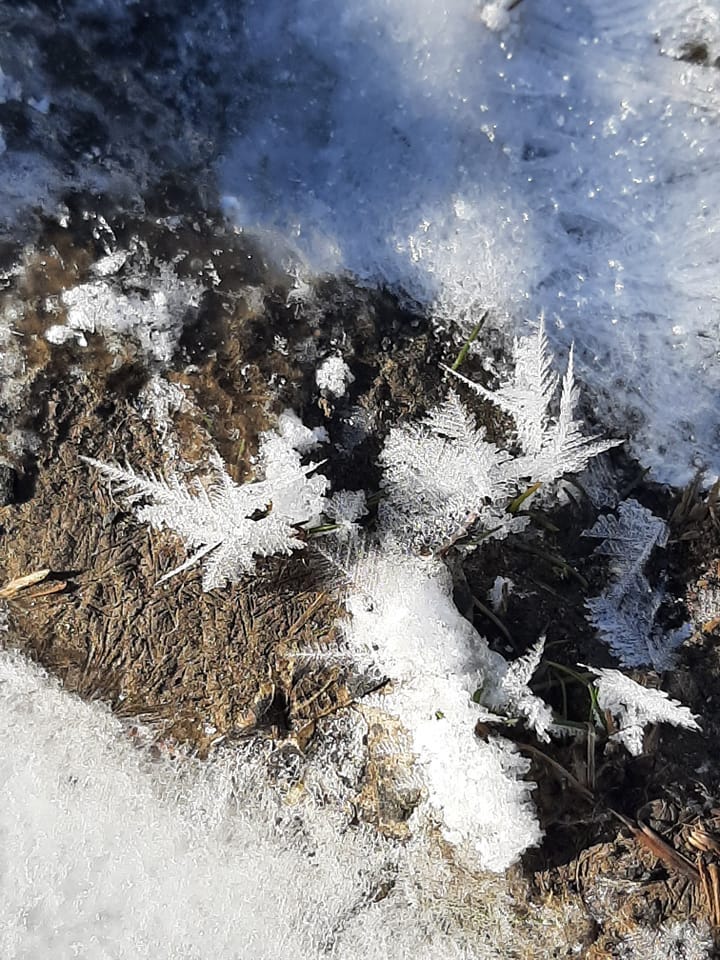
We just have to take a break from the awfulness sometimes. And there’s no better way than to seek solace in nature. For me, just getting outdoors for a few minutes of sun and wind improves everything—even if the wind is a bit brisk these days. How ironic that in nature there are few things more beautiful than ice.
But I recently discovered an interesting idea: the concept of the false choice. The Trump regime understands this concept well, framing things so there are only two choices. If you’re against war, you must not support our troops. If you don’t support ICE, you want chaos on our streets. We know that in this, as in so many things, Trump’s gaslighters are wrong. More than one choice is possible: I can want a strong border and detest ICE violence.
So it’s a false choice, to think that we can’t have it both ways. We can check out of the news—and then check back in. We can have a cup of tea with honey and ignore the news for a whole blessed weekend. We can put down our phones and go find solace in nature. And then, strengthened and refreshed, come back in and pick up the phone and call Congress.
And now is the time to do that. The murders in Minneapolis are so horrible that they’re a wake-up call to some of the Americans who are permanently checked out of the news. And perhaps Congress is finally, finally starting to wake up, too. Calls are far more effective than signing a petition or writing an email. You probably know about 5calls.org, a great way to get contact info. Or put your senators on speed-dial and call them once a day as you eat breakfast.
A well-informed comment from a reader raises a fascinating point—they commented: “I've worked adjacent to state legislatures and can confirm that call tallies absolutely matter, especially when there’s no preexisting position staked out yet. The asymmetry where Republicans outcall Democrats 4-1 explains why progressive policy feels like pushing uphill even when polls show majority support.”
Rupert Brooke was one of the generation that was devastated by the madness of World War One. He died in 1915, three years after writing this, at the age of 27. He knew the value of peace.
Ah God! to see the branches stir
Across the moon at Grantchester!
To smell the thrilling-sweet and rotten
Unforgettable, unforgotten
River-smell, and hear the breeze
Sobbing in the little trees.
Say, do the elm-clumps greatly stand
Still guardians of that holy land?
The chestnuts shade, in reverend dream,
The yet unacademic stream?
Is dawn a secret shy and cold
Anadyomene, silver-gold?
And sunset still a golden sea
From Haslingfield to Madingley?
And after, ere the night is born,
Do hares come out about the corn?
Oh, is the water sweet and cool,
Gentle and brown, above the pool?
And laughs the immortal river still
Under the mill, under the mill?
Say, is there Beauty yet to find?
And Certainty? and Quiet kind?
Deep meadows yet, for to forget
The lies, and truths, and pain? . . . oh! yet
Stands the Church clock at ten to three?
And is there honey still for tea?
Dear Friends,
Are you furious about the state of the world and wondering what to do about it? I hope you’ll continue to check out The Optimistic Activist.
Every now and then I post some ideas for doing something. How to get out the vote, spread the word, and support progressive candidates. Ideas for simple but effective activism. As easy, as practical, as do-able as I can make them.
Together, I think, we can really make a difference.
“Optimism is a strategy for making a better future.”
--Noam Chomsky
Beautiful. Rupert Brooke is favorite of mine!
Thank you, Anita. A beautiful post in every way.