
Go Big or Go Small?
Should I go to the big-city march or the small-town protest?

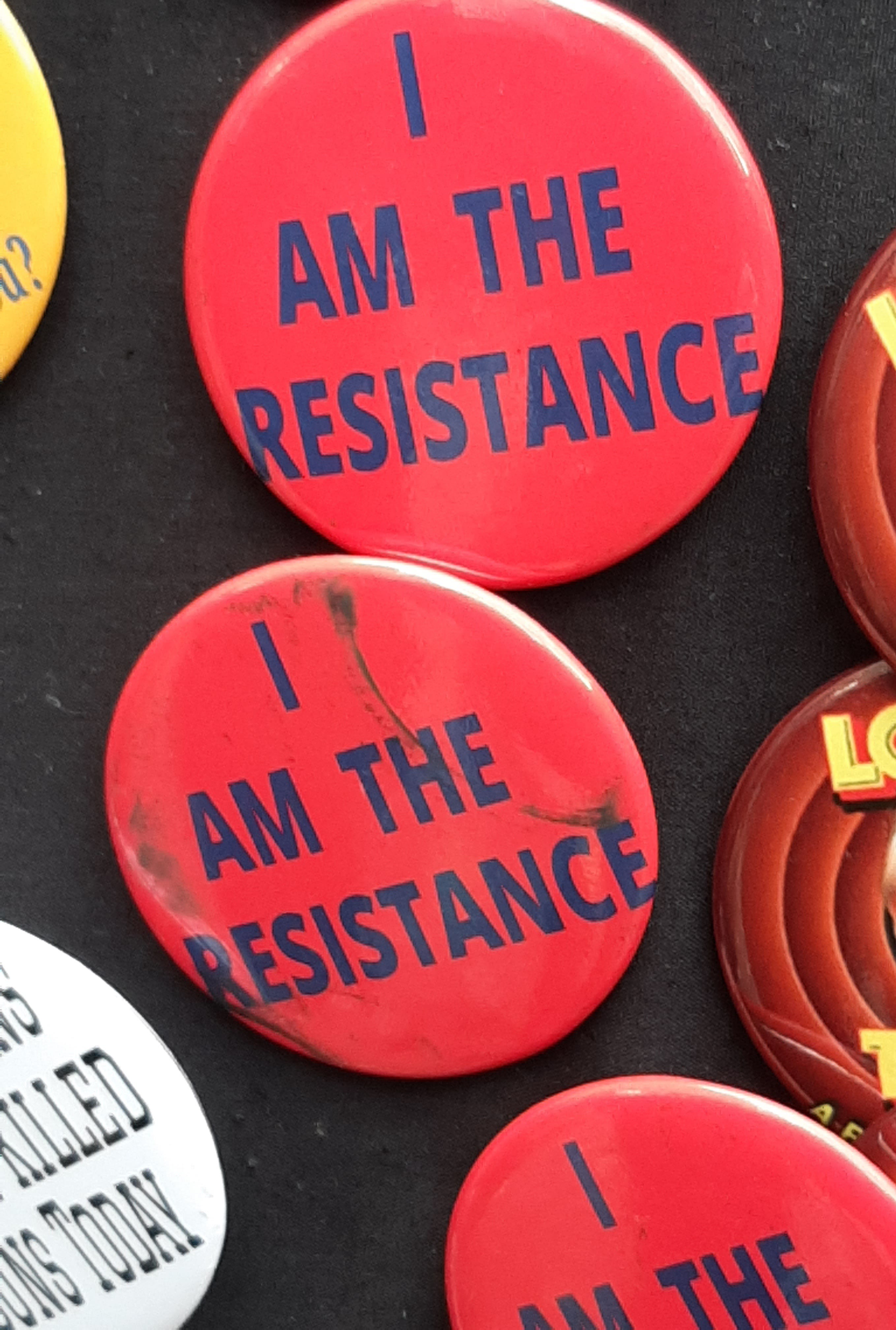
Seems like every time there’s a National Day of Action, I have to decide—do I attend the big one—at the state capitol, or the nearest big city (in my case New York City) or even hie myself down to Washington DC? Or should I show up on my local street corner—join my neighbors at a street-side honk and wave or a candlelit vigil at the tiny town hall?
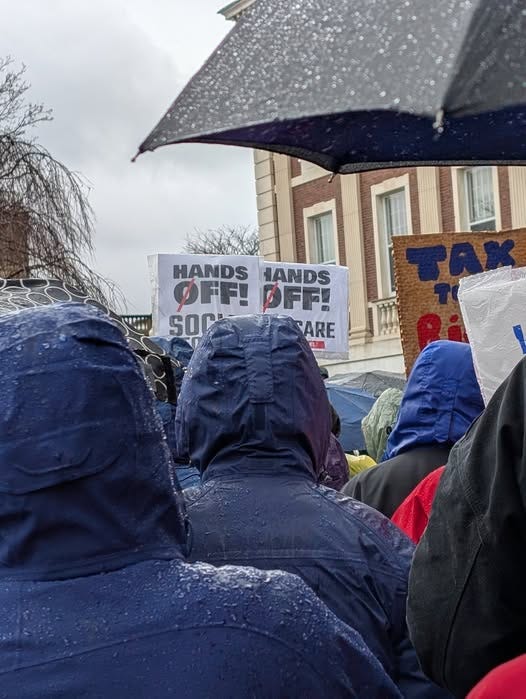
Of course, attending either one is great. If you’re really ambitious and the schedules align, maybe you can even make both. (And I wish more event organizers would factor that into their planning.) I don’t know the definitive answer—there’s a lot to be said for both sides.
It’s so heartening to see the photos from the big protests—tens of thousands thronging the National Mall, or the Golden Gate Bridge, or Union Square. It’s all about media coverage, and the big protests make it on to the front pages of the big papers, the newsfeeds, the foreign press.
I often think of the Women’s March, when five hundred thousand protestors descended on Washington DC. I’ll never forget that day, as the joyous, angry, peaceful, record-shattering crowds proved once again the power of nonviolent protest.
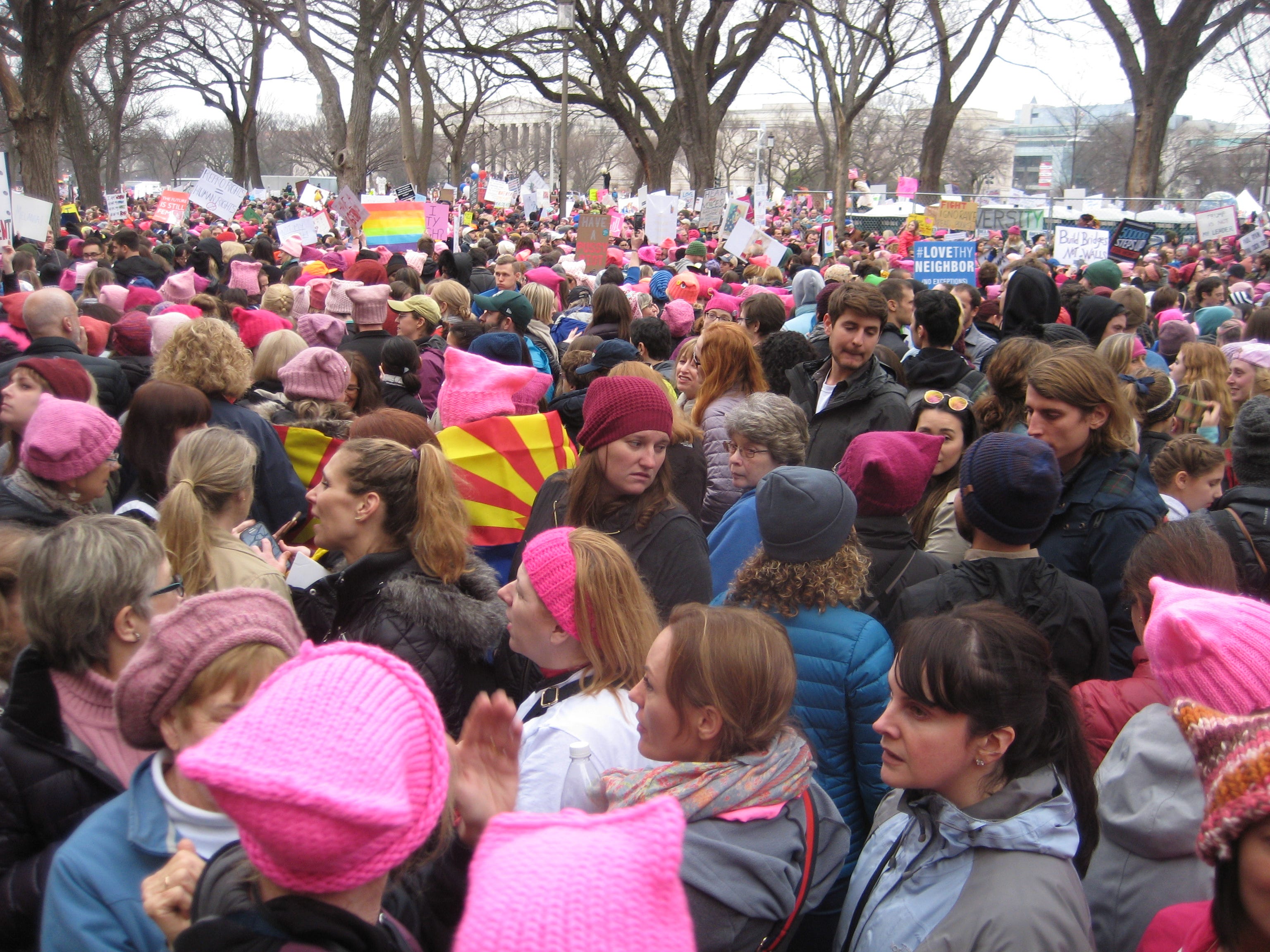
But across the planet on that day, a total of five million people marched—literally millions of marchers around the world. In Northwest River, Canada, it was “The March on Snowshoes.” In Lima, Peru: “La marcha para la diversidad, inclusion, y derechos humanos.” In Jos, Nigeria: “The Global March.” Half of the town of Stanley, Idaho (pop. 63) turned out in a snowstorm. In Antarctica, thirty-one eco-tourists marched the deck of their cruise ship in solidarity, holding signs that read “Penguins for Peace.” From Iceland to Iowa to India, more than 600 Sister Marches took place.
And they made the headlines, too. Maybe not the front page of the New York Times or the top story on CNN, but the Schenectady Gazette, or the Mountain Eagle, or the local news on WPTR.
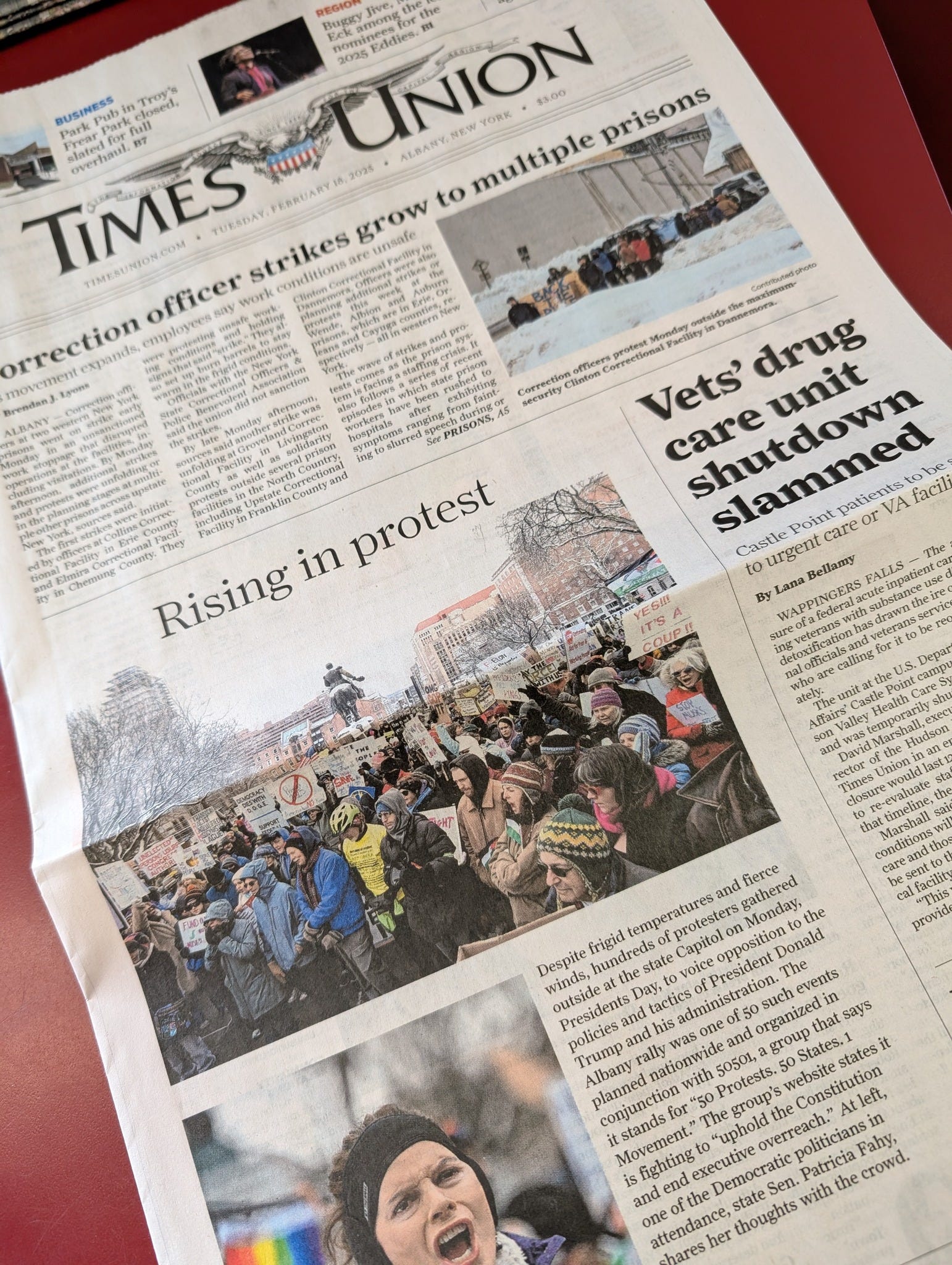
And it’s especially important, I think, to get into the local news and be seen on streetcorners and parks in red districts. Conservative voters aren’t reading the Guardian and NPR, they’re not checking CNN. They’re often piped into the sewer of Fox news, but they may also be glancing at the local gazette. A crowd of their neighbors holding signs that say things like No Kids in Cages, or Hands Off Social Security or We Need Disaster Relief and Storm Warnings—stuff like that—may change a few minds. For that reason, I avoid signs that call MAGA voters morons, or make cracks about orange cheetos—that just alienates a possible wavering moderate.
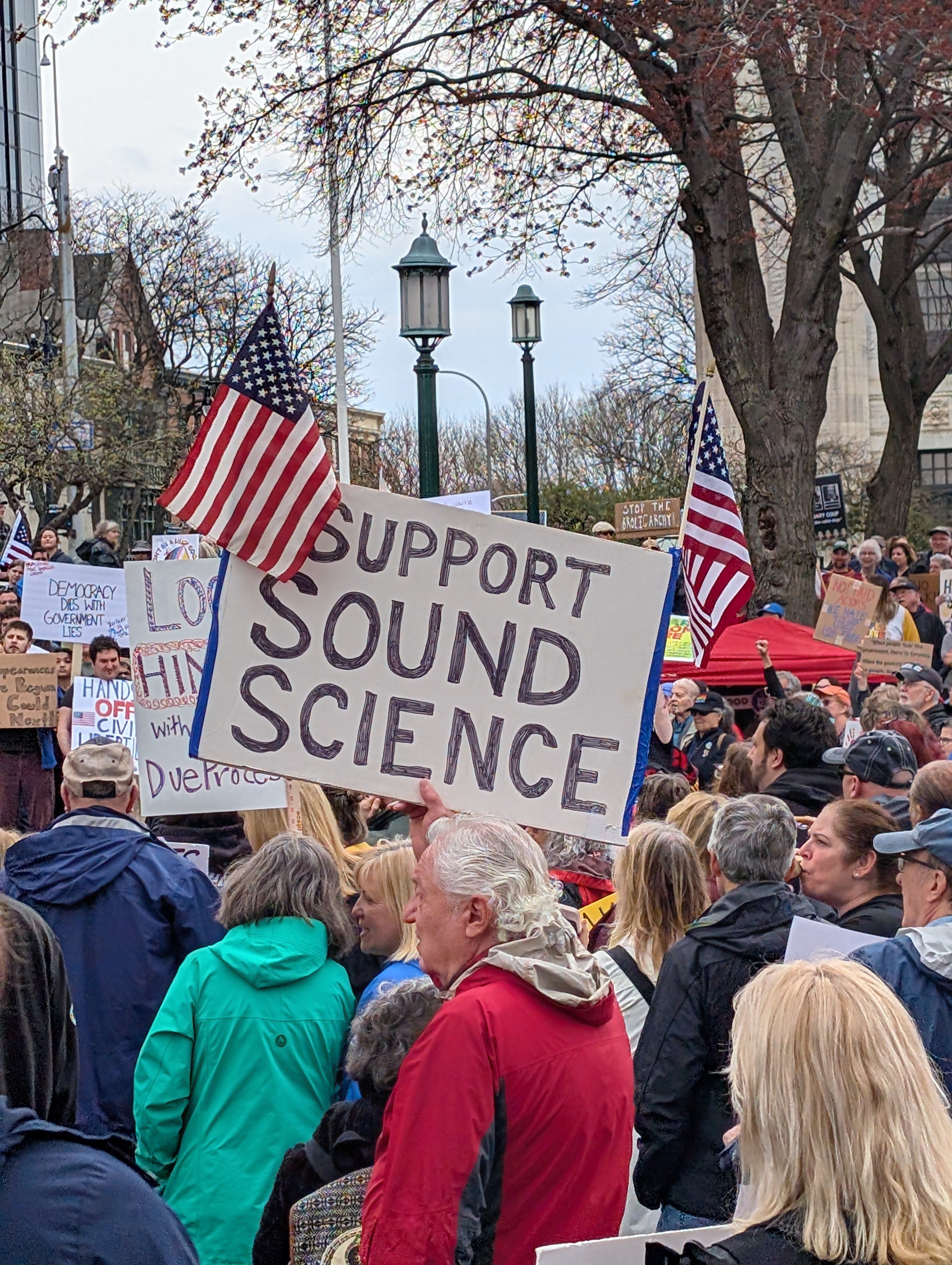
One of the things that makes me optimistic that our democracy will survive is the numbers of people turning out for protests all across the country. You probably know that July 17 is a National Day of Action. If you need to find an event near you, check here: GoodTroubleLivesOn.org.
But whichever choice you make—big or local—it’s so so so important to show up. Yes, we did it last month. Yes, we’ll have to do it again next month, and the month after that. I can’t say it better than John Lewis did:
Do not get lost in a sea of despair. Be hopeful, be optimistic. Our struggle is not the struggle of a day, a week, a month, or a year, it is the struggle of a lifetime.

Dear Friends,
Are you terrified about the state of the world and wondering what to do about it? I hope you’ll continue to check out The Optimistic Activist.
Every now and then I post some ideas for doing something. How to get out the vote, spread the word, and support progressive candidates. Ideas for simple but effective activism. As easy, as practical, as do-able as I can make them.
Together, I think, we can really make a difference.
“Optimism is a strategy for making a better future.”
--Noam Chomsky