
Contacting Your Elected Representatives
It's a pain in the neck. Does it really matter?

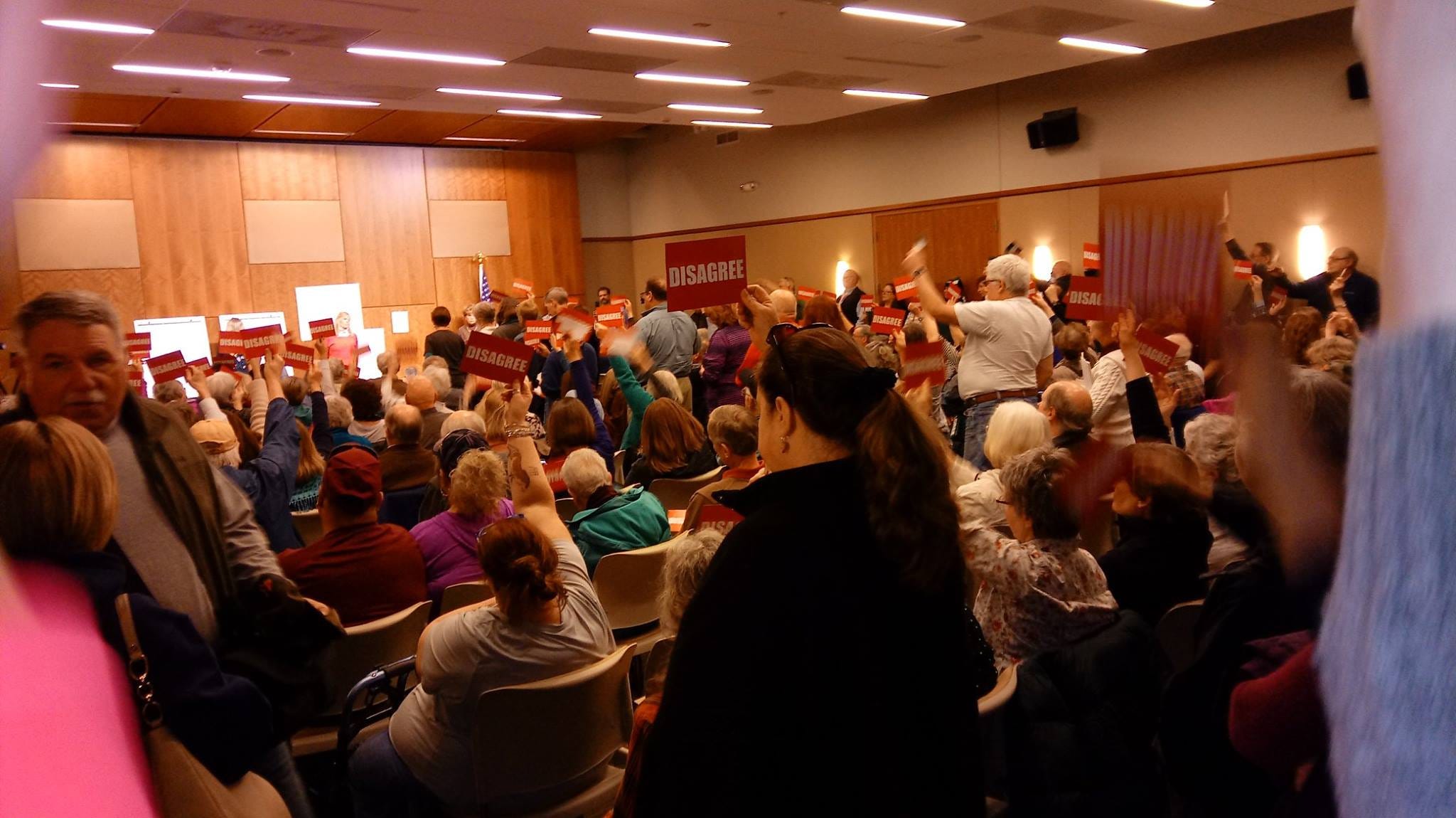
You get it on social media, in your e-mail inbox, over and over: pleas to help out with this cause or that, sign this petition, send a letter to your congressperson, phone the mayor’s office, contact the governor. Make your voice heard.
But really, why bother? Seems like a lot of work, just another chore to do. It’s the sort of thing only cranky eccentrics do. Isn’t my letter or phone call just an insignificant drop in an unimaginably huge bucket?
Remember Uvalde, the ghastly school shooting in 2022? Here’s a headline from CNN that appeared only a few days later: “Conservative Wyoming senator rethinking gun legislation after constituents flood her office with calls urging action.”
Cyndi Lummis, Senator from Wyoming, was deluged with calls and letters from constituents in the aftermath of the shooting. “We’ve received so many calls,” she told CNN. “I’ve been a little surprised at the phone calls we’ve been getting and how receptive Wyoming callers seem to be to address guns in some manner…I’m listening to what people from Wyoming are saying.”
They do listen, those elected officials. They want to know what the voters are thinking. It’s their job security.
What kind of communication works best? Sadly, a good way to measure the effectiveness of your contact with those at the levers of power is how uncomfortable it makes you feel. The more of a pain in the ass for you it is, the more effective it is. The more direct a communication, the more effective it is.
Showing up in person is the most effective. Visiting the office, attending the school board meeting and making a public comment, asking a question at a town hall. (Remember the person who asked Nikki Haley about the cause of the Civil War?) Next most effective is a phone call. Then a letter. Then e-mail. Lastly, signing a petition.
Let’s start with a phone call. So say you’re calling your congressional representative. When you make the call, let’s face it, the Senator is not going to pick up the phone. If it’s not an answering machine, it will be the lowest of the low-level staffers who drew the short straw and got stuck with phone duty. They will not give you the slightest bit of information about what the congressperson is doing about this issue. They don’t know. They don’t care that you’re outraged. They don’t care that you’re appalled.
What they do care about is where you’re from. If you’re not in their electoral district, you’re chopped liver. But if you’re a voter that could potentially vote for them, that’s gold. So right up front, give your town and zip code. Make your point quickly. “I support…I oppose…” If you have a particular bill in mind, give the number: “HR 234.”
The underpaid intern on the other end of the line will thank you for calling with insincerity and hang up with relief. But then they’ll do the crucially important thing: They’ll log your call in on a spreadsheet. And that’s what the Congressperson will keep a wary eye on. So many calls on such and such an issue, from the following locations.
Letters, same deal. Chances are the Representative is not going to sit down and read your eloquent turns of phrase and your well-reasoned arguments. The same overworked intern is going to skim the first sentence for the relevant info, so get to the point immediately. “I support protections for wildlife and I urge you to vote yes on HR 456.”
Pretty much every congressperson has a web contact form, so it’s easy to send in a short comment. Those probably don’t get read, but they get logged on the spreadsheet, too—so many for, so many against whatever issue.
What if you’re contacting a local official? School board, town council, state senator. Then the effect of your communication is exponentially greater. Sometimes just a dozen people weighing in on a local issue can tip the scales. One or two people showing up to a school board meeting or a town council hearing can have an amazing impact. I worked in state government for many years, and I saw again and again how even a single letter or phone call could stir up interest in an issue. Like a tiny gadfly that can get a huge water buffalo stampeding, one cranky person can really make a difference.
Find your state and federal representatives here.
The bottom line is, every single elected official needs us voters in order to keep their jobs. They need us more than we need them. We hired them, we can fire them.
One call, one letter won’t always change the world. But your action can be the catalyst for many others. Use the power of social media, letters to the editor, and just talking to friends, kids, grandchildren, to spread the word about how you’ve raised your voice on an issue that’s dear to your heart.
Maybe they’ll get cranky, too.
******************************************************************************************************
Hello, dear friends.
Are you more than a little worried about the election of 2024 and wondering what to do about it? I hope you’ll continue to check out The Optimistic Activist.
Every Tuesday I’ll post some thoughts on how to get out the vote, spread the word, and support progressive candidates. Ideas for simple but effective activism. As easy, as practical, as do-able as I can make them.
Together, I think, we could really make a difference.