
Back to School
A "little" election with big consequences.

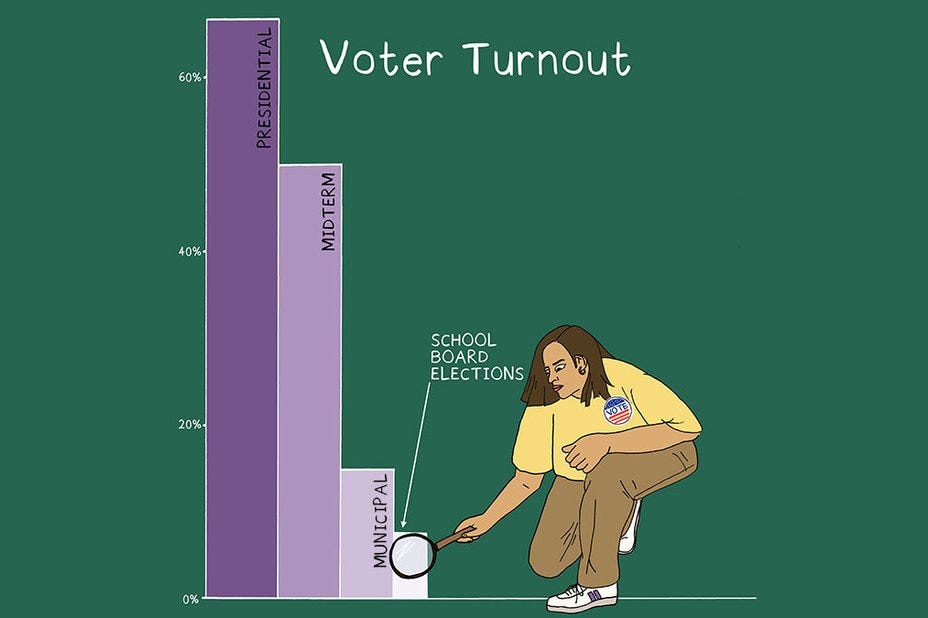
There’s a crucial, essential election coming up. It will have a huge impact on our future. Billions of dollars are at stake. And ninety-five percent of Americans won’t vote in it.
No, not the Presidential election. It’s one of the “little” ones: the local school board election. Voting on such dull local issues as the school budget, school board candidates, and funding for public libraries. Pretty unexciting stuff.
And most of us can’t be bothered. Nationally, voter turnout averages between 5 and 10 percent for these elections.
But these “little” elections aren’t so little. Across the nation, almost 100,000 school board members oversee the education of 50 million of our children, allocating some $600 billion in expenditures. And now, with the US Department of Education being dynamited and chain-sawed, who knows what the future of school funding is?
There’s been some good news lately: in the May 3 Texas school board elections, conservative candidates lost big in several districts. There were some pleasing headlines in Newsweek:
Conservative School Boards Face Election Defeats in Trump Heartland
Voters in Mansfield Independent School District overhauled the school board in the May 3 election, with progressive challengers unseating conservative incumbents—including the board president and secretary—in all three contested races.
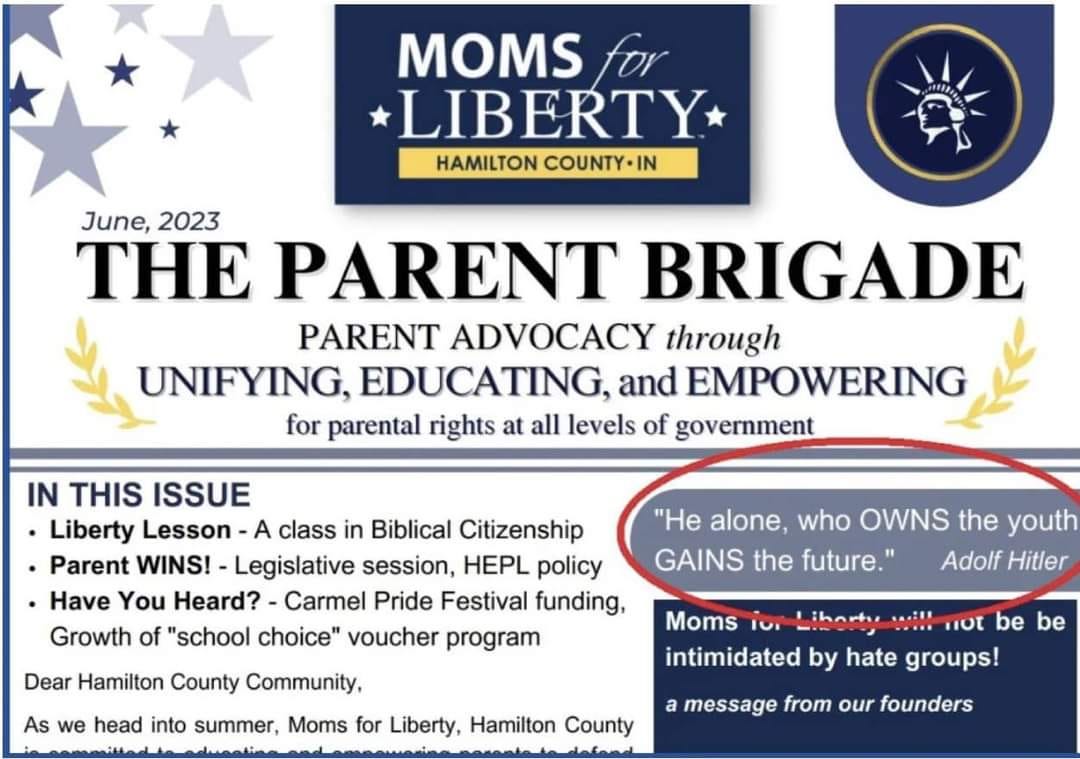
A group to be aware of is the ultra-conservative Moms for Liberty, an organization that is fascist, creepy, and scarily effective. Their avowed goal is to infiltrate school boards across America. They’ve tried hard in my little town for the last two years, winning two out of six seats on the school board one year, and aiming for another two seats the following year, which would have given them a majority. They launched a bitter, nasty campaign complete with insulting social media posts and scurrilous rumors. (Wonder who they got that idea from?) Thank the gods they lost, but they weren’t permanently vanquished—they’ll be back.
Check out this quote on a Moms for Liberty newsletter—if that doesn’t chill your blood, nothing will.
The timing for school board elections varies by state. In some states, they’ve figured out that turnout is better in November when everyone is all geared up for election stuff anyway. But in New York State, the school board elections are always on the third Tuesday in May—May 20 this year—hardly a date that most folks have circled in red on their calendars. It always catches us by surprise. Seems like they try to make it as inconvenient as possible. It’s a Tuesday, but not a holiday or a day off. It’s a pain to drag yourself to the polls on a weeknight, when it’s a school night, a work night, in a busy spring when we all have other stuff to do.
During the pandemic, every home in my school district had school budget ballots mailed to them. All you had to do was fill it out and return it by mail, postage paid. Voter participation soared from single digits to more than 80 percent. That one change, mailing the ballot, made an enormous difference for a minimal expenditure.
And you all know the stakes: Book bans. Library closings. Teacher firings. Mental health support for students. Counselors vs armed guards in schools. The bathroom wars.
And now the stakes are even higher. In Oklahoma, students may well soon be learning the Big Lie of 2020, which could be enshrined in their textbooks. From Education Week: “Proposed language recently added to the state’s draft social studies standards, which the board of education approved and are now under consideration by the state’s majority-Republican legislature, cites elements of the unproven and discredited claims of widespread voter fraud during the 2020 election.
“The standard includes ‘sudden halting of ballot-counting in select cities in key battleground states, the security risks of mail-in balloting, sudden batch dumps, an unforeseen record number of voters, and the unprecedented contradiction of ‘bellwether county’ trends,’ among the list of things for students to consider.”
Check out this excellent guide to voter participation in school board elections, put together by the Carnegie Corporation, a not-for-profit that supports education. For one thing, they have some thoughtful advice on how to evaluate school board candidates, who are often just a bewildering string of names on the ballot.
How can you tell if someone is truly concerned with the welfare of the students, or looking to push a moralistic agenda? They suggest voting for someone with a strong track record of volunteer service, especially with children. Are they a former teacher, aide, coach? Or if they’re a business owner, does their business have a track record of supporting the school? Are they solely focused on curriculum policing and book bans, or do they show an interest in other issues? Are they making provocative statements to rile up emotions?
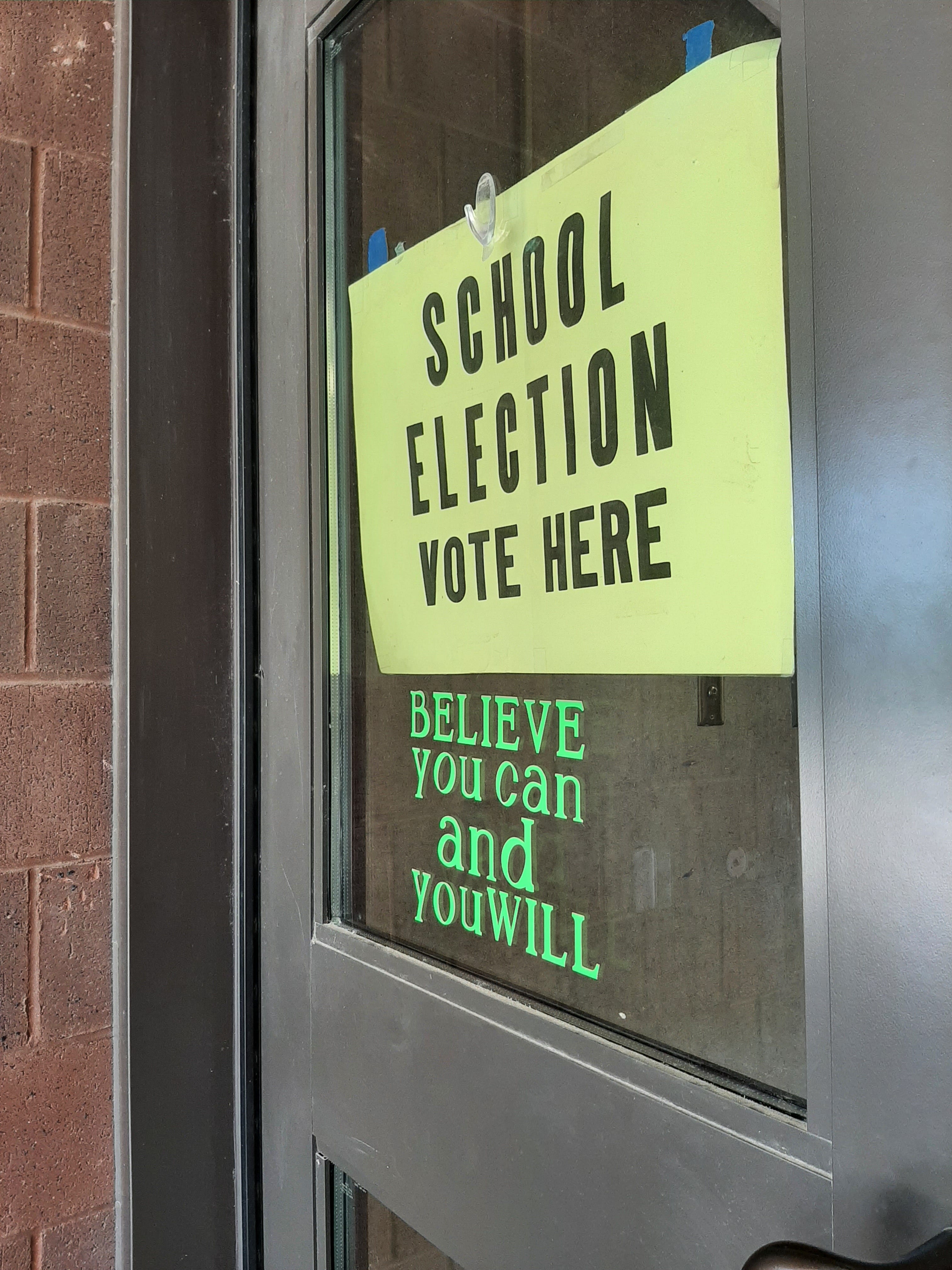
Once you find out the date of your local school/library election, be the town crier, letting everyone know. Spread the word in every way you can think of, to all your neighbors, that this election is worth showing up for. Don’t wait to read in the papers the next morning that the school budget failed, or your public library is cutting hours, or Moms for Liberty have taken over your neighborhood school board.
Dear Friends,
Are you outraged about the state of the world and wondering what to do about it? I hope you’ll continue to check out The Optimistic Activist.
Every now and then I post some ideas for doing something. How to get out the vote, spread the word, and support progressive candidates. Ideas for simple but effective activism. As easy, as practical, as do-able as I can make them.
Together, I think, we can really make a difference.
“Optimism is a strategy for making a better future.”
--Noam Chomsky

Thank you, Anita, for this call to action.