Activism for Introverts
What if it involves, you know, talking to people?

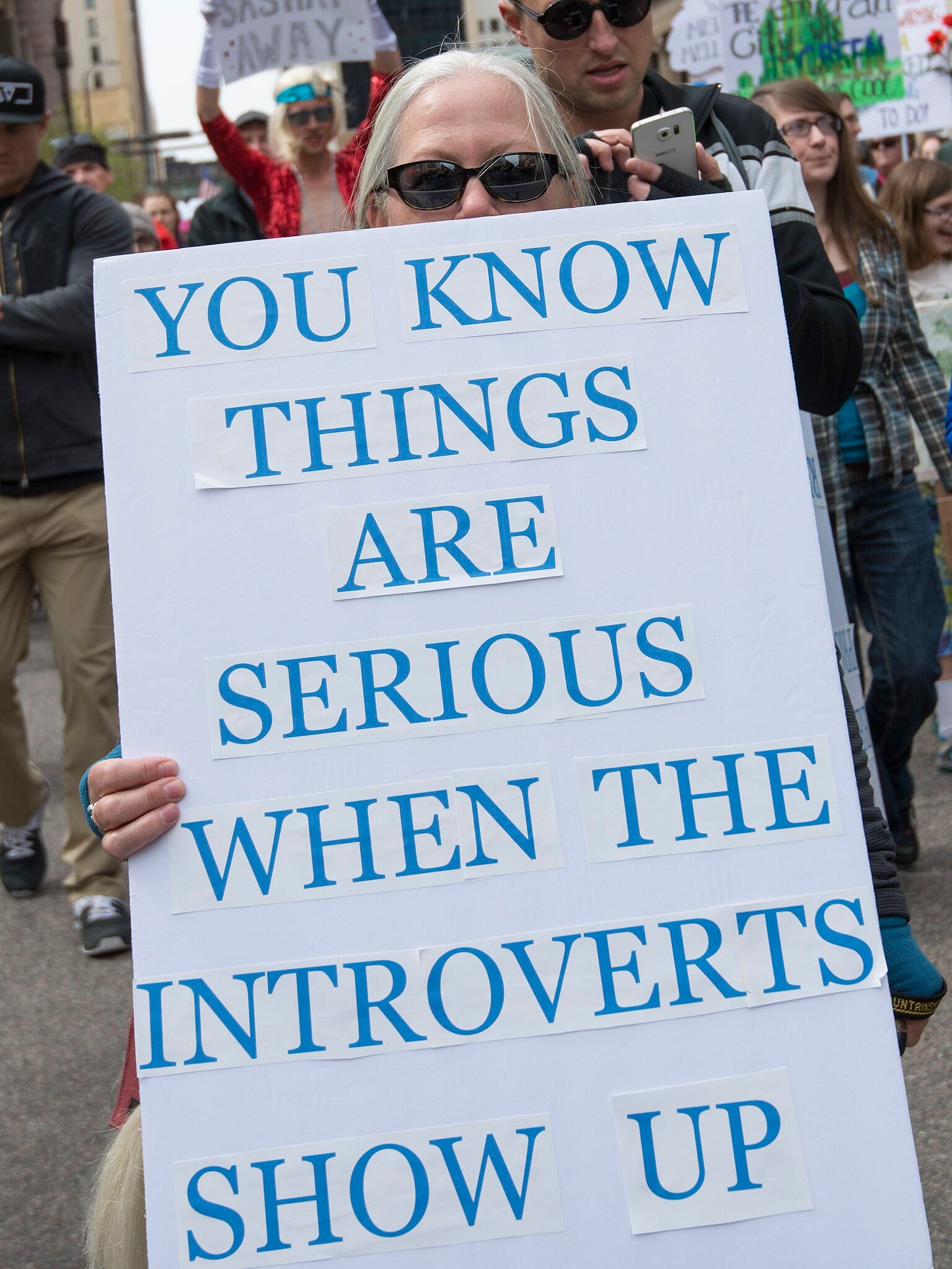
It’s a basic tenet of grassroots activism that you should seek to build a community. Join forces. Host postcarding parties, arrange strategy sessions. Reach out to your neighbors, canvass, call, network.
And it’s good advice. Except…
What if the thought of networking makes you break out in a cold sweat? What if phone calls make you flinch, the doorbell makes you cringe, and parties are your idea of hell? What if, when you go to the local activist group social hour, you spend the time standing in a corner pretending to read the notices on the bulletin board? What if, in short, you’re an introvert.
Is activism still possible for the introverted soul? Of course you can donate, and vote. Or write postcards while sitting by the fire. But what if there was an incredibly powerful way you could reach dozens—hundreds—thousands of people, without ever having to leave the house?
For us introverts, social media is balm to our jangled souls. After a day of having to actually, you know, talk to people, we can retreat into our pajamas and encounter the more manageable world on the Internet. But what if—hear me out—social media wasn’t just a waste of time? What if it wasn’t just social? What if our time on social media was planned, purposeful activism?
Social media is going to make the difference in the coming election. No exaggeration. It’s the elevator Trump rode to power, and in the coming year, it’s going to affect our entire world. Something like three-quarters of Americans get their daily news from social media. For young voters, it’s probably closer to 100%.
So I post politics on my Facebook feed, as any of you who might be kind enough to follow me know only too well. Facebook does have an older age-level readership than Tik-Tok or Instagram, but it’s still the most used and the best way to reach the most people. I also use Bluesky (not getting a lot of use), Threads (seems to be increasing in reach), and Instagram (great for reaching young people).
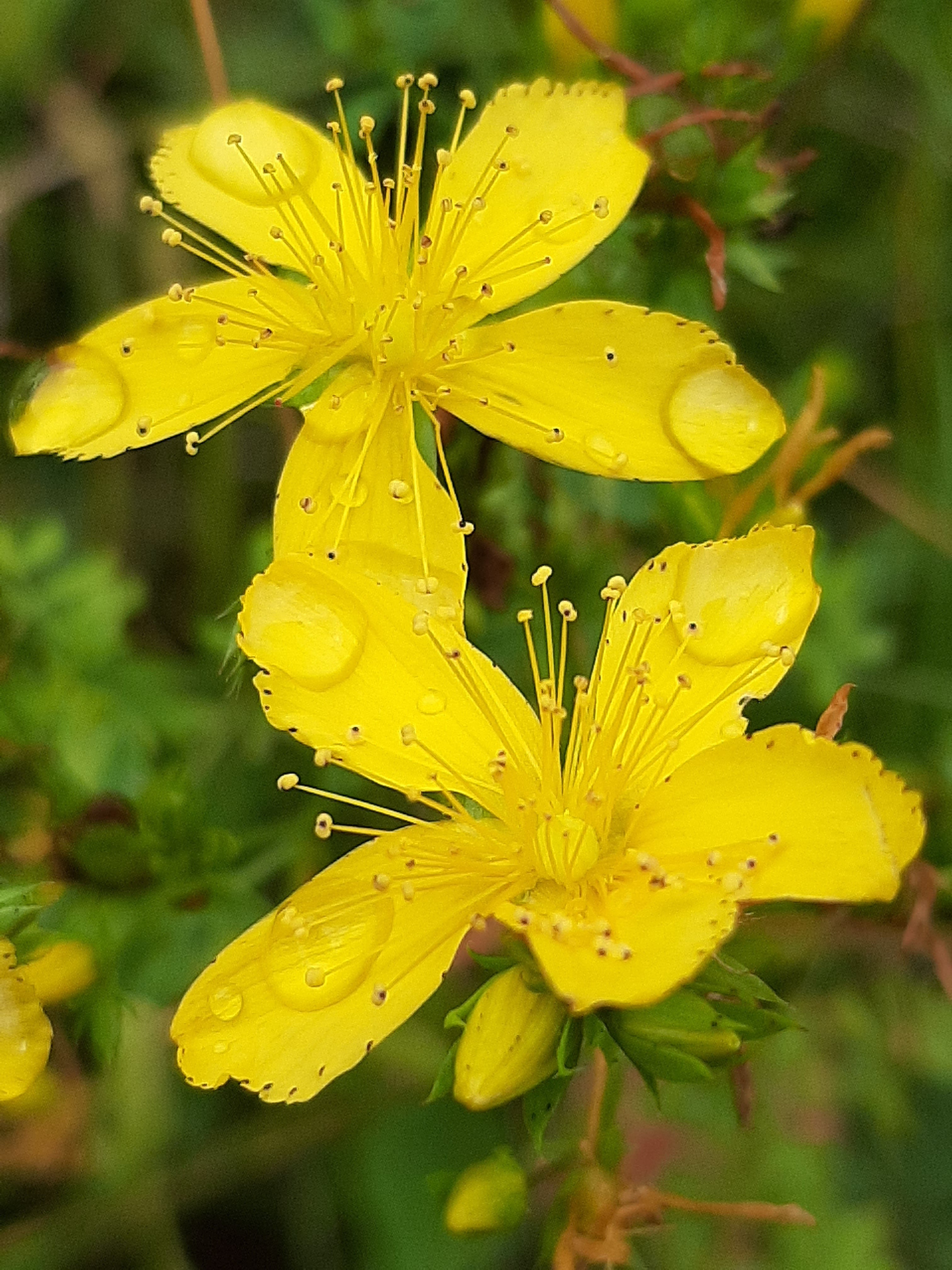
But as well as political stuff, I also post nature photographs. If I post only my outrage, no one is going to bother following me. We’ve all had more than enough of outrage. So for every political post, I post a few nice nature pictures, and I hope that will keep me in the algorithm.
No matter what social media site you use, you want to get your posts, or posts by people you want to amplify, into that mysterious thing called the algorithm. The more people who like, share, and comment on a post, the more the algorithm elves say, “hmm, this one is doing well, let’s show it to a few more people.” And then if a few more people like it, the elves send it to a few more and so on.
So if you agree with a post that, say, deplores ICE brutality, LIKE it. Better, on Facebook you can use those little angry or sad faces. That shows a higher level of engagement, and makes the elves sit up and take notice.
Better yet, COMMENT. It makes a difference—not so much what you say, but the fact that someone bothered to comment (not unlike calling your congressperson.) Comments of four words or more are better, algorithm-wise, than one-word comments, or emojis, so Thank you for helping to save democracy is better than Cool!
Best of all, SHARE. That really lets the algorithm know you give a damn. If you want to help a local candidate win a local election, this is one of the best ways you can help. Spread the word about local issues so that local friends can see it.
Think about posting stuff yourself, if you don’t already. I’ve said this many times before: Never underestimate the power of your words.
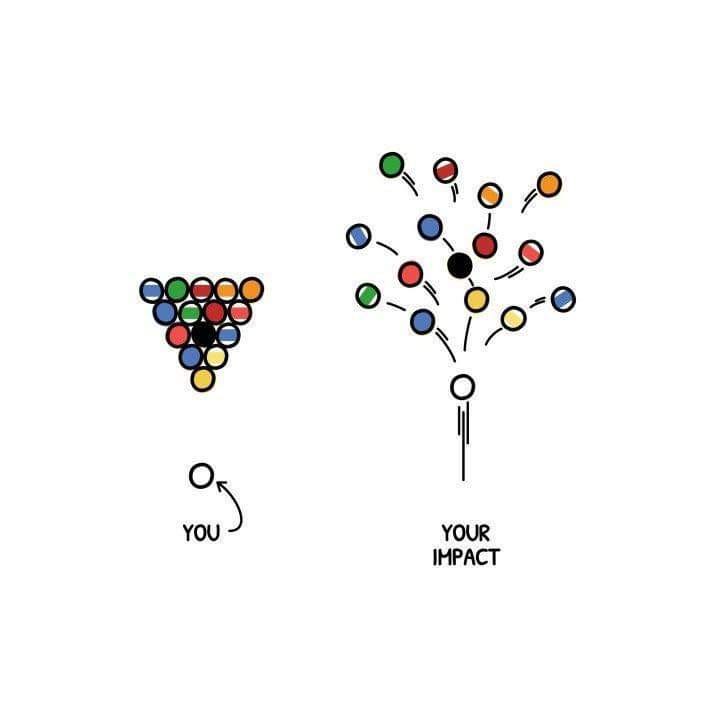
One thing I try to do is to share information about voting, especially as Election Day approaches. I wish I had a dollar for every person (especially young people) who has said to me, “Election? Oh, that’s today?” or “Do you have to be registered or something to vote?” Share information like dates, times, places for early voting, registration info, where to report abuses at the polls.
Think about doing a video or two. I post still photos of every protest I go to. (I’m careful not to show protesters’ faces unless I have permission.) They might get 20 likes. But if I post a video, even if it’s a three-second clip, it will get hundreds of views. The elves just love videos.

Here’s something interesting. I’ve been experimenting with Threads lately, where I have a whopping 72 followers. Most of my posts on Threads, whether they’re political or nature pics, average 2 or 3 likes. But then I posted a picture of a quilt I had been working on, and added the hashtag #quilts. Twenty-seven likes. Hm. A whole new audience opens up when you post about a different topic. With my quilt post, suddenly I have a whole new passel of “friends”.
So look for ways you could build your online community, reaching out beyond your usual group of friends and family. Aside from posting political stuff, how else can you reach people? Recipes? Knitting projects? Gardening tips? Sports? Movie trivia? Can’t miss with cute pet photos.
But isn’t it dangerous to make your presence known by commenting on posts? Doesn’t that attract trolls and MAGA nuts who will yell at you? True, I have gotten some unpleasant replies to my comments on local politicians’ posts. I immediately delete the comment (if possible—you can delete comments on Facebook, don’t know about other sites) and then I block the commenter. Don’t engage with them, they’re probably a bot from Kazakhstan anyway.
If, however, you get a comment from someone you know is for real, here’s your chance to engage in a conversation. As long as it’s civil, I’m happy to debate issues we disagree on.
Indivisible has a lot of resources for closet activists. A local group, Bethlehem Indivisible, has been offering an excellent 4-part Social Media Masterclass for New Yorkers, and I’ve gotten a lot out of it. You could give it a try here.
Many organizations devoted to getting out the vote, like Swing Left, have stressed the importance of repeated contacts, which they refer to as touches. According to their research, it takes approximately ten touches to persuade an unmotivated voter to vote. A touch can be a social media post, a remark from a friend, a sign in a window, an email, a postcard. Think of each interaction you have on social media as a touch.
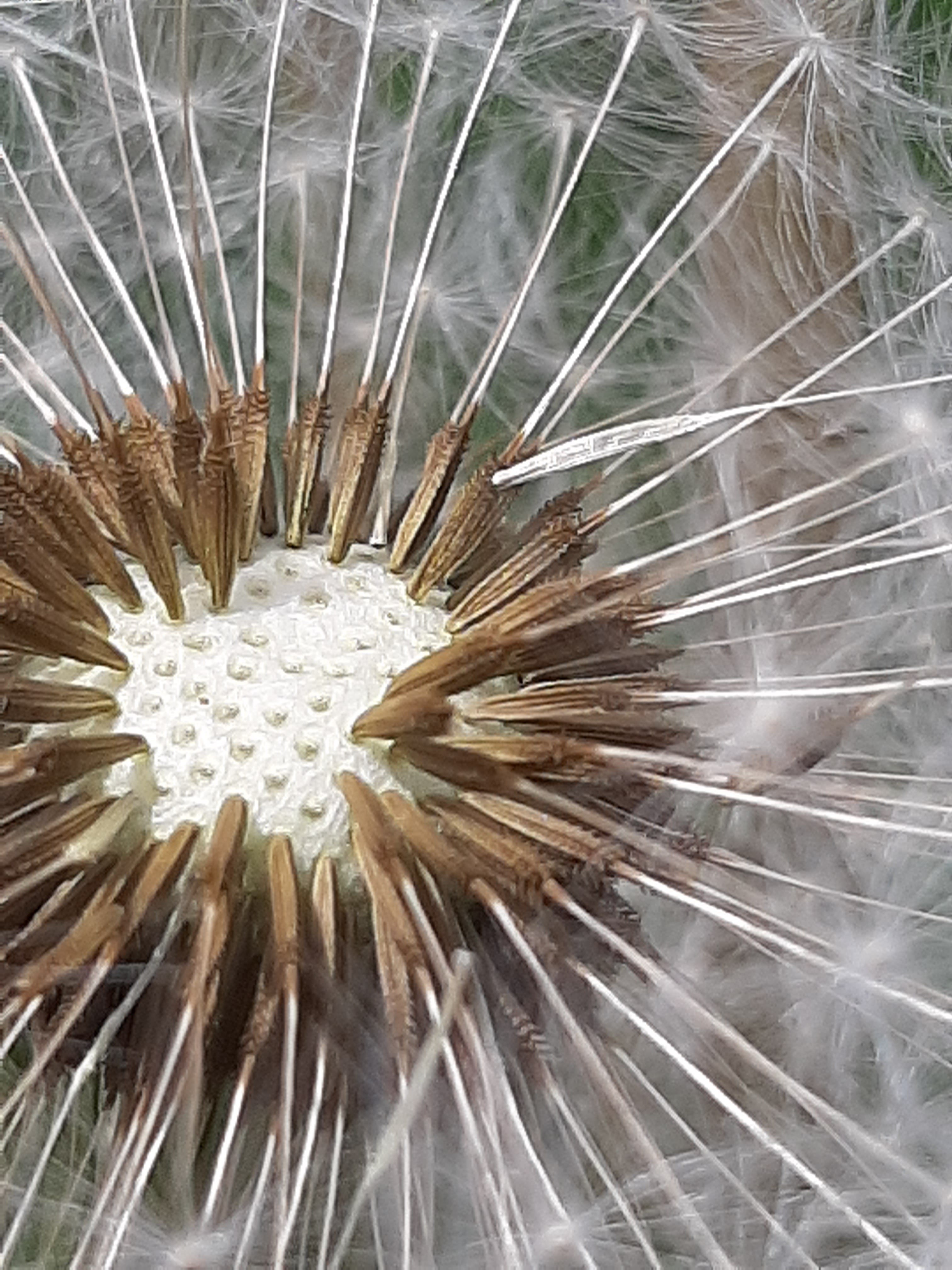
I always turn to the world of nature for metaphors, and the idea of seeds comes to mind. The least successful plants, the ones that end up on the endangered species list, are the ones that have only one or two seeds. The really successful plants, like dandelions, produce hundreds of seeds on each flower head. Oaks produce thousands of acorns for the chance of growing one tree.
Which seeds will germinate? Which comment might change a mind or a heart? You never know.
Will one LIKE change the course of world events? Of course not. But it takes many seeds to grow a forest.
Dear Friends,
Are you furious about the state of the world and wondering what to do about it? I hope you’ll continue to check out The Optimistic Activist.
Every now and then I post some ideas for doing something. How to get out the vote, spread the word, and support progressive candidates. Ideas for simple but effective activism. As easy, as practical, as do-able as I can make them.
Together, I think, we can really make a difference.
“Optimism is a strategy for making a better future.”
--Noam Chomsky